Indoor flowers bring lush greenery and are perfect for the home
Some flowers are suitable for keeping indoors; they not only beautify the environment but also lift your mood. However, not all flowers and plants are suitable for indoor placement. For example, plants with unpleasant smells and toxic plants should not be kept indoors. Let's take a look at which plants are suitable for indoor placement!
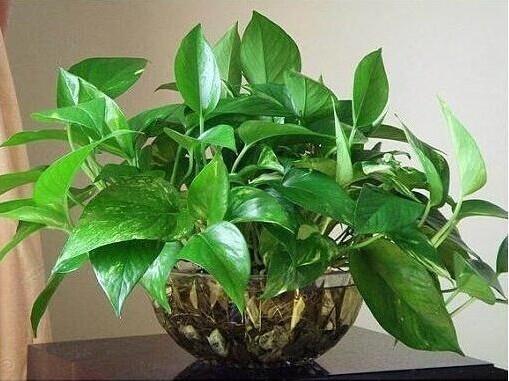
1. Plants that can absorb toxic chemicals
Aloe, spider plant, snake plant (Sansevieria), and Aspidistra are natural cleaners that can remove harmful substances from the air. Studies have shown that snake plants and spider plants can absorb more than 80% of harmful gases indoors, and their ability to absorb formaldehyde is extremely strong. Aloe is also good at absorbing formaldehyde, capable of absorbing 90% of the formaldehyde contained in 1 cubic meter of air.
English ivy, sago palm, kumquat, pomegranate, purslane, Chinese rose, camellia, Aglaia odorata, daisy, wintersweet, marigold, and others can effectively remove harmful substances such as sulfur dioxide, chlorine, ether, ethylene, carbon monoxide, and nitrogen peroxide.
Orchids, osmanthus, wintersweet, Caladium bicolor, and Excoecaria cochinchinensis are natural dust catchers; their fine hairs can intercept and adsorb floating particles and soot in the air.
2. Plants that can repel mosquitoes and insects
As the weather warms up, mosquito-repelling plants have become a focus of attention. Mosquito plant (Pelargonium citrosum) is one such plant. It is an aromatic plant of the geranium family with a modified genetic structure, introduced from Australia only in recent years. This plant is drought-tolerant, can grow to maturity within half a year, and with proper care can live for 10 to 15 years. Its branches and leaves can be shaped at will, giving it high ornamental value. Mosquito plant gives off a fresh, light lemon fragrance and has a good mosquito-repelling effect indoors, yet it has no toxic side effects on the human body. The higher the temperature, the more fragrance it releases and the better its mosquito-repelling effect. According to tests, one pot of mosquito plant with a crown width of more than 30 cm can drive mosquitoes out of a room of more than 10 sq m. In addition, a plant called pyrethrum contains pyrethrin and can also effectively repel mosquitoes and insects.
3. Plants that can kill germs
The volatile oils produced by fragrant flowers such as roses, osmanthus, violets, jasmine, lemons, roses (Rosa multiflora), dianthus, lily of the valley, and crape myrtle have a significant bactericidal effect.
Plants such as crape myrtle, jasmine, and lemon can kill native bacteria such as diphtheria bacteria and dysentery bacteria within 5 minutes. The fragrance released by plants such as Rosa multiflora, dianthus, lily of the valley, violets, roses, and osmanthus has a clear inhibitory effect on the growth and reproduction of tubercle bacilli, pneumococci, and staphylococci.
Succulent plants native to tropical arid regions, such as cacti, have stomata on their fleshy stems that close during the day and open at night, absorbing carbon dioxide while producing oxygen, thereby increasing the concentration of negative ions in indoor air.
Plants such as snake plant (Sansevieria trifasciata), bowstring hemp, agave, Opuntia phaeacantha, Kalanchoe, sedum, Bryophyllum pinnatum, and cultivated bromeliads can also purify the air at night.
In addition: plants such as lilac, jasmine, roses, violets, and mint can help people relax, feel cheerful, aid sleep, and also improve work efficiency.
The above are flowers and plants suitable for keeping indoors. Having a nice potted plant at home adds a touch of green to the household. Isn't that lovely?