How to grow Phalaenopsis orchids? Four methods to keep them tender and dripping with beauty
Many people keep plants at home; plants can lift your mood and beautify the environment. Phalaenopsis (moth orchid) is a great choice. Phalaenopsis is not only bright and beautiful in color, but also gives a vibrant, flourishing look. Below we will introduce how to grow Phalaenopsis.
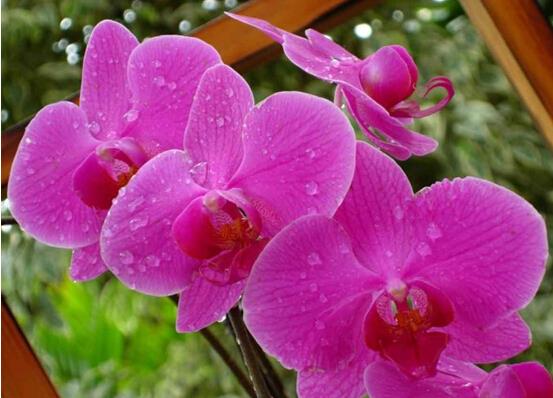
Method one for growing Phalaenopsis: soil
You can choose materials such as pine needles, peanut shells, shredded bark, and clay balls as the growing medium for Phalaenopsis. Phalaenopsis has high soil requirements: it needs a medium that is airy, rot-resistant, slightly acidic, and well-draining. If you cannot prepare these materials yourself, you can go directly to a flower market and buy special orchid soil for Phalaenopsis. (PS: For the pot used to plant Phalaenopsis, you can choose a plastic pot or a ceramic pot. Considering that Phalaenopsis likes an airy growing environment, it is recommended to choose a porous shallow pot; the best is a pot whose height is less than its diameter.)
Method two for growing Phalaenopsis: ambient temperature
There are particular requirements for the growing temperature of Phalaenopsis cultivated indoors. The daytime temperature is best kept at 25-28 degrees, and the nighttime temperature needs to be kept at 18-20 degrees. Phalaenopsis originates from the subtropics, so a high-temperature, high-humidity environment is very suitable for its growth (when the summer temperature is above 32 degrees, Phalaenopsis will directly enter a semi-dormant state, so high temperatures must be prevented). When the temperature is lower, the growth of Phalaenopsis will be inhibited. According to relevant materials, when the temperature is 15 degrees, the growth of Phalaenopsis is directly stagnant. Below 15 degrees, the root system will stop absorbing water. This will cause black spots to appear on the leaves. Winter weather in the north is relatively severe cold, and indoor temperatures are also lower, but heating can be turned on. When the indoor temperature is below 15 degrees, you must take special care of Phalaenopsis. During the day, place Phalaenopsis in a sunny spot and reduce the frequency of watering. Or use the method of sprinkling water on the ground. At night, it needs to be kept warm, and you should put a bag over the orchid plant. When using heating equipment to provide heat to the orchid plant, be sure not to let the radiator be too close to the flowers.
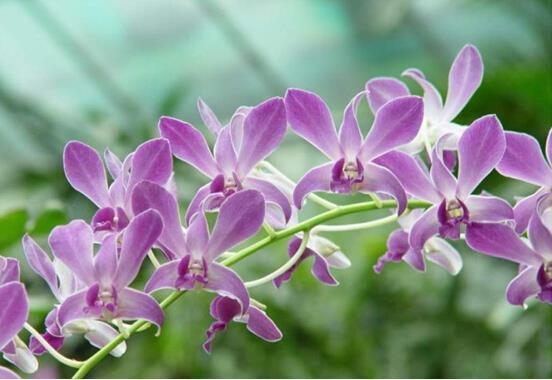
Method three for growing Phalaenopsis: watering method
High humidity is what Phalaenopsis loves most, but standing water is absolutely not; avoid letting Phalaenopsis be in a state of water shortage, especially during its growing period. Once water shortage occurs frequently, it will cause the leaves to turn yellow, and it is very difficult to recover. Usually, when watering Phalaenopsis, you can use a spray bottle to water; water until water flows out from the bottom of the pot, and avoid watering too much. Because Phalaenopsis likes a high-humidity environment, you can often sprinkle water where the orchid is placed to maintain the humidity around the orchid. But you must be careful not to let water accumulate in the heart of the orchid leaves. In winter, do not sprinkle water on the leaves either.
Watering principle: water when dry and let dry between waterings; when the surface of the growing medium becomes dry, water thoroughly again. Generally, watering should be done on a clear, sunny morning, and the water temperature should be close to room temperature. When the indoor air is dry, you can use a sprayer to spray directly on the leaf surface; but note that during the flowering period, do not spray water mist onto the flowers.
Method four for growing Phalaenopsis: frequent ventilation and shading
On flower-growing forums, you often see some flower-growing questions about Phalaenopsis root rot, and this may also be caused by the lack of a ventilated environment. Phalaenopsis is delicate, and choosing a ventilated environment will be more conducive to its growth. A stuffy, hot environment is also not suitable for growing Phalaenopsis, especially in the summer in the south, where you must pay attention to providing shade for Phalaenopsis. Phalaenopsis is an epiphytic orchid and by nature likes semi-shade. In winter, when the temperature is low, use the midday time to ventilate it, but do not let the draft blow directly toward the orchid plant. In spring and autumn, pay attention to shielding the orchid from light.
Phalaenopsis serves as a standard for the quality of a home's air environment. Phalaenopsis likes high temperature, high humidity, and a ventilated semi-shady environment, and it dislikes waterlogging and stuffiness. The overwintering temperature should not be lower than 15 degrees. When cold weather arrives, immediately move it indoors and maintain the temperature so it can safely pass the winter. Phalaenopsis likes an environment with high air humidity and good ventilation; ventilation is the key to growing Phalaenopsis well.
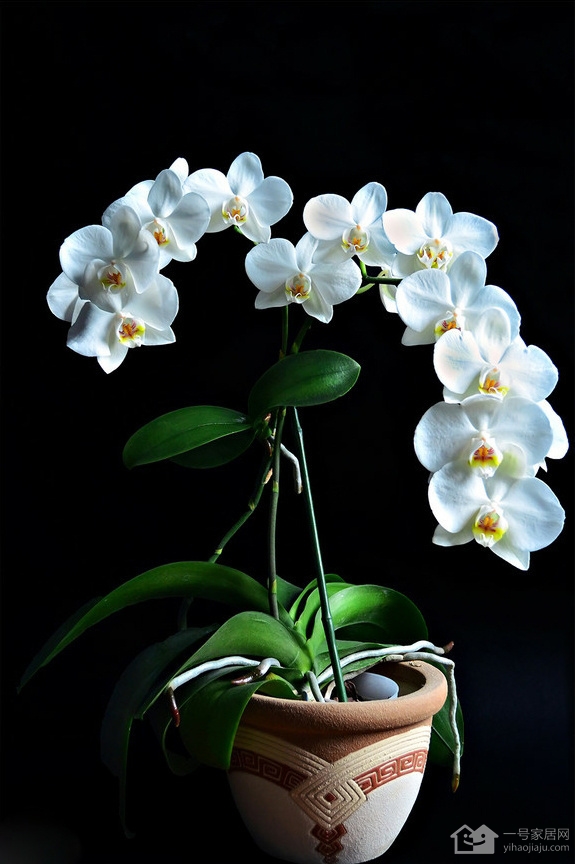
There are so many particular points in growing Phalaenopsis too. To grow plants well, the important thing is to be attentive. Plants are very fragile and need careful care. If you are too busy, you may not be able to look after them. After reading the above methods for growing Phalaenopsis, have you learned them?
After reading the above methods for growing Phalaenopsis, have you learned them?