How to grow variegated spider plants? Master the care methods and with attentive tending they will always thrive
The variegated spider plant is one of the many varieties of spider plant, and when people need to grow spider plants as houseplants, many also choose the variegated spider plant. Like other spider plants, the variegated spider plant is easy to keep alive, but you need to know the specific care methods. So, what are the care methods for variegated spider plants?
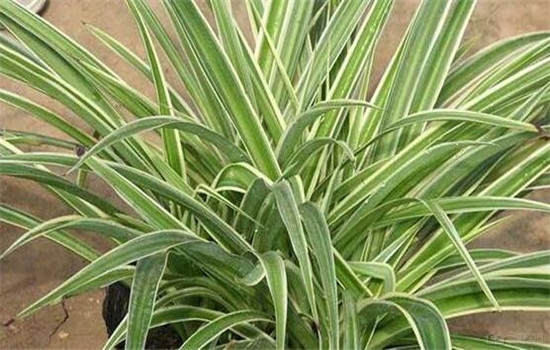
Care methods for variegated spider plants:
1. Light: Spider plants like a semi-shaded environment and are very sensitive to light. In summer and autumn they must not be exposed to direct sunlight, which would cause the leaves to turn yellow and wither; in winter they can take appropriate direct sunlight. Generally, place the variegated spider plant in a cool, well-ventilated spot, and be careful to maintain environmental humidity.
2. Temperature: The variegated spider plant likes a warm, humid climate and cannot tolerate severe cold or intense heat. The optimal growing temperature for spider plants is 15-25°C, and the winter room temperature must not be lower than 5°C. In hot periods, avoid direct strong light and keep it in light shade; in cold, cool conditions, it should get more sunlight so the leaf color stays bright.
3. Watering: The variegated spider plant likes water. Because its fleshy roots have well-developed water-storing tissue, it is fairly drought-resistant, but during the peak growth period from March to September it needs a lot of water, so water and mist it frequently to increase humidity and keep the potting soil completely moist. During the winter dormant period, water only after the top roughly one centimeter of potting soil has dried.
4. Fertilizing: Spider plants are fairly tolerant of fertilizer. If fertilizer and water are insufficient, they easily wither at the tips and age, and the leaves turn yellow, losing their ornamental value. For spider plants that have begun to produce small plantlets, apply a nitrogen-based topdressing once every half month. Spider plants that are growing well can go without fertilizer.
5. Soil: For growing spider plants, a light, fertile sandy loam is suitable, and the soil should contain humus and have strong permeability. For potted plants, you can use equal parts leaf mold or peat soil, garden soil and river sand mixed with a small amount of base fertilizer as the growing medium. After repotting, be careful to prepare fresh soil again.
6. Pest and disease control: Spider plant cultivation generally rarely suffers from pests and diseases. Problems that occur are usually root rot caused by waterlogged potting soil and poor ventilation, and at this time you should promptly spray to control it.
These are the care methods for variegated spider plants. They are similar to the care methods for other spider plants. As long as you tend them attentively, you can spend time on growing variegated spider plants, and you will be able to grow them very well, letting them add color to your home.