How do you grow anthurium so it brings a touch of life to your home?
Anthurium, also known as flamingo flower, is bright, gorgeous and richly colored, and is one of the more common flowering potted plants in everyday life. So how do you grow anthurium? Below, the editor will give you a detailed introduction to anthurium care methods.
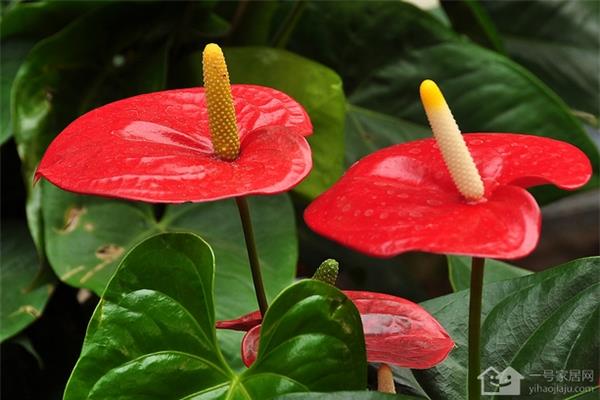
How to grow anthurium
Light adjustment
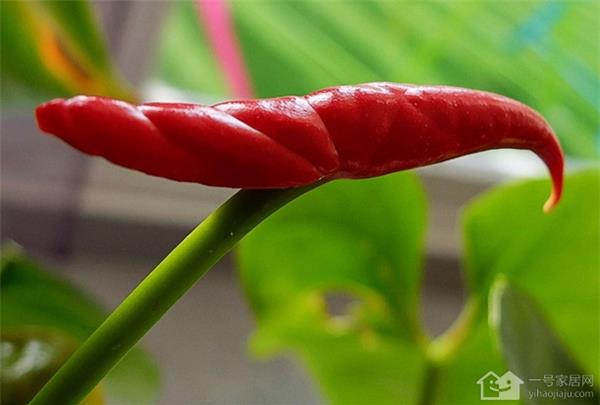
Anthurium is a shade-loving plant, but it cannot go without light either, so when placing a potted anthurium, be careful to put it somewhere with no direct sunlight. If it enters the flowering stage, shade it to prevent the buds from discoloring or getting scorched; in the evening or on cloudy and rainy days, no shading is needed.
Humidity control
This point mainly involves water management. Generally speaking, the moisture that affects anthurium growth and development is mainly substrate moisture and air humidity. Low substrate moisture will burn the leaves, while too much water and long-term overly wet substrate will cause the anthurium roots to rot and suffocate. Therefore, reasonable regulation is very important. Note that in winter you should reduce the frequency of watering, and fertilized water should be applied in the morning. Also keep the leaves dry. Anthurium growth requires relatively high air humidity, and it grows faster under high humidity than under low humidity. When anthurium is growing most vigorously, the required relative air humidity is 50%-80%.
Pest and disease management
Diseases mainly include leaf spot, anthracnose and root rot, while common anthurium pests include red spider mites and aphids. Control is mainly through temperature control, water regulation and chemical prevention. The most important thing is to observe promptly, prevent promptly, and promptly remove diseased and pest-infested branches and leaves.
Fertilization management
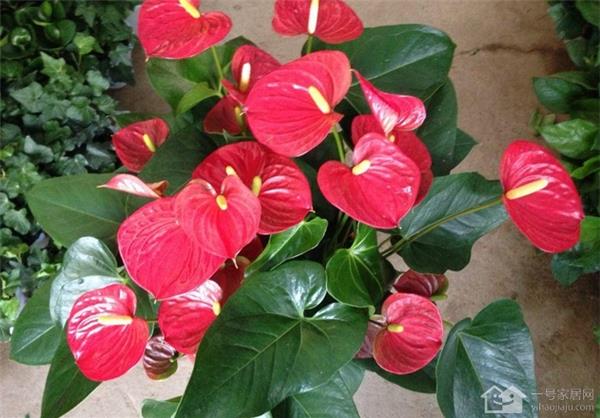
Normal anthurium growth requires many nutrient elements, including the major elements nitrogen, phosphorus and potassium, and the trace elements iron, copper, manganese, zinc, etc. However, the surface of anthurium leaves has a waxy layer and does not absorb nutrients, so fertilize at the roots and follow the principle of "light fertilizer, applied frequently." When fertilizing, note that during the peak growth season you should increase the amount of nitrogen fertilizer; in late autumn and early winter, apply more phosphorus and potassium fertilizer to help the plant resist cold; in winter, fertilizer and water should be controlled so it overwinters safely. In addition, after applying liquid fertilizer, immediately spray water on the plant's leaves to rinse them and avoid burning the leaves.
The above is an introduction to how to grow anthurium. Have you all understood how to grow anthurium? Anthurium likes warm, humid environments, so avoid putting it in the sun to bake; it should be placed outdoors where direct sunlight does not reach or under tree shade. Usually pay attention to pests and fertilization, and in fact it is not difficult to grow anthurium well.