The best method for repotting spider plants, so you can say goodbye to repotting worries
The spider plant (Chlorophytum comosum) is considered the easiest foliage plant to grow and propagate. A spider plant can grow into a large clump in just one year, so many people want to repot their spider plants but do not know how. So what is the method for repotting a spider plant? Below, the editor shares with you the correct method for repotting spider plants.
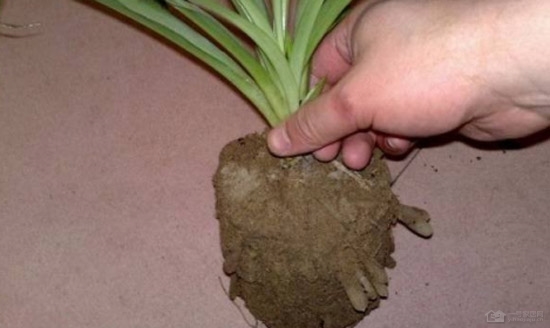
Repotting: as needed, repot in spring. Propagation: spider plants can be propagated by cuttings, division, sowing and other methods. Cutting and division propagation can be done at any time from spring to autumn. Spider plants are highly adaptable and have a high survival rate, and are generally very easy to propagate. For cuttings, simply take a stolon 5-10 cm long with new buds and insert it into the soil; it will root in about one week, and after about 20 days it can be transplanted into a pot, watered thoroughly and kept in a cool, shady place for care. For division, take the spider plant out of the pot, remove the old soil and rotten roots, cut apart the old roots so that each divided plant retains three stems, then transplant and grow them separately. You can also cut off the clustered stems and leaves on the spider plant's stolon (which is actually a young new plant, with leaves above and aerial roots below) and plant it directly into a flower pot to grow. Seed propagation of spider plants can be done every year in March. Because the seeds are not large, after sowing the covering soil should not be thick, generally 0.5 cm is enough. At a temperature of 15°C, the seeds can sprout in about 2 weeks, and once the seedlings take shape they can be transplanted for growing. Pruning: routinely cut off yellow leaves at any time. Once a year in March, repot and cut off old roots, rotten roots and excess fibrous roots. In early to mid-May, cut off some of the old leaves of the spider plant, which will encourage more new leaves and small spider plantlets to sprout.
Humidity: it likes a moist environment. To keep the spider plant fresh and green, you can often spray water on the leaves to wash them. Spider plants do best with a large pot and few plants, and like sandy loam with good drainage and aeration; for example, a medium-sized flower pot is best planted with 2-3 plants. Too many plants means a greater water requirement, and if the pot is small and the soil cannot supply enough water, the leaves are also prone to withering. For pot cultivation, a substrate commonly used is leaf mold or peat soil, garden soil and river sand mixed in equal parts with a small amount of base fertilizer added.
Spider plant roots grow very fast, and generally the pot must be changed once a year; you can cut off 1 of the root system.
Finally, the editor gives everyone a warm reminder: after repotting, be sure to keep it in a warm, wind-sheltered place for care. Water thoroughly the first time to reach the roots, then control watering afterward; you can spray water on the leaves every day to prevent them from drying out. But it is normal for the leaves to curl inward; as long as you keep spraying, the leaves will unfurl in about a week.