How do you grow spider plants? Start by understanding their growth habits
Although spider plants are relatively easy plants to keep alive, growing them well is not especially easy. If you want to grow a spider plant that is full of life, you have to start by learning about its habits. So what habits does a spider plant have in everyday life? Let's take a look!
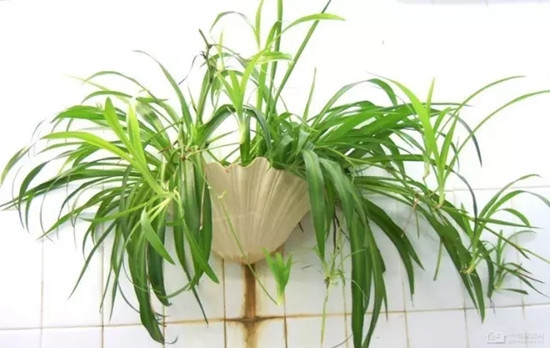
Life habits
Temperature: Spider plants like warm weather and are suited to growing at around 20 degrees. In winter you need to protect them from the cold and can move them indoors. Never put them in a windy spot by a window, or the leaves may be damaged by the cold. If the temperature is too low, the spider plant will stop growing, and if it drops below 5 degrees, cold damage may occur.
Light: Spider plants do like cool, shady conditions, but they also need enough sunlight so they can carry out photosynthesis and grow normally. When light is insufficient, the leaves turn yellow; when light is too strong, the leaves also turn yellow and dry, and may even die. In spring and autumn, they can be placed in a cool spot where they can get some sunlight; in summer, direct sunlight should be avoided, and more than 60% of the sunlight needs to be blocked.
Soil: To plant spider plants, choose soil with good drainage and good air permeability. You can use a mix of leaf mold, peat soil, garden soil, river sand and so on as the growing medium. For example, you can put some water-permeable clay pebbles in the bottom of the pot, about 4 cm thick, then place the plant in the center of the pot, add the mixed soil until the pot is seven or eight parts full, press the soil down with your hands, and then cover the surface with a layer of clay pebbles.
Watering: Spider plants prefer moisture, especially during the summer growing period, when they need watering once a day and misting of the leaves twice. In spring and autumn, water once every 5 days. Because spider plants are afraid of the cold, they should not be watered too much in winter, to avoid cold damage; once every half month is enough.
Pest and disease prevention: Spider plants sometimes get scale insects, whiteflies and so on. If you find them, remove the pests promptly. When you notice the leaf tips turning yellow, increase watering and fertilizing.
Fertilizing: Spider plants quite like fertilizer. Except in winter, you can fertilize once every 10 days. You can choose organic fertilizer liquid or fertilizer specifically for spider plants; both are sold at flower markets. When the temperature is below 5 degrees, stop fertilizing.
Points to note
If yellow leaves appear, cut them off promptly.
Each year in March, you can repot once, cutting off old roots, rotten roots and excess fibrous roots.
Each year in early May, you can cut off some of the old leaves, which will encourage more new leaves to sprout.
Know yourself and know your enemy, and you can win a hundred battles. To grow spider plants well, you have to start by understanding their habits. To keep your own spider plant looking lively and green every day, the editor suggests everyone learn about spider plant habits together!