How to Grow Alocasia macrorrhizos? A Detailed Guide to Houseplant Care Methods
Alocasia macrorrhizos has thick, fleshy leaves and is a round-leaved plant, so it has a very good fortune-attracting effect and is quite suitable for placement in the wealth corner. However, some people believe that growing Alocasia macrorrhizos indoors can harm people's health and cause poisoning. In fact, Alocasia macrorrhizos is not a cancer-promoting plant. Plants such as pothos and Monstera deliciosa also carry a certain degree of toxicity. As long as you are careful in daily life, there will be no safety problems.
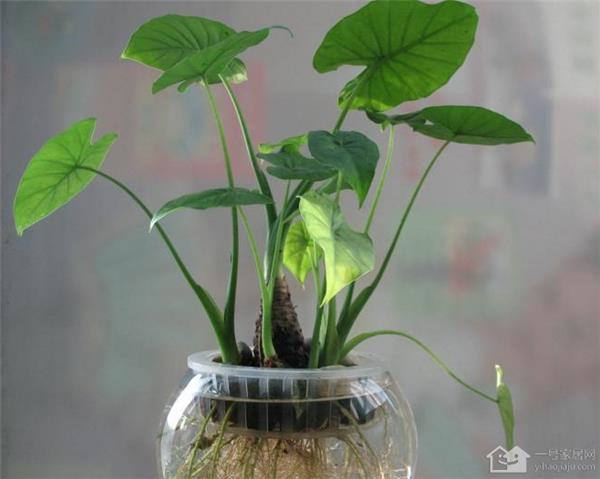
Precautions for Growing Alocasia macrorrhizos Indoors
The toxic substances in Alocasia macrorrhizos can cause symptoms such as itching and pain in the throat. Generally speaking, neither the stems nor the leaves can be eaten, and do not directly touch the water droplets it drips with your hands. For adults there is no problem, and Alocasia macrorrhizos can also effectively purify the air, so it should not be rejected for growing altogether.
This is mainly aimed at families with young children, because children are very curious, so they may eat it just for fun. Therefore, if there are very young children at home, it is best not to place it indoors.
How to Grow Alocasia macrorrhizos Indoors - Temperature
The most suitable growing temperature for Alocasia macrorrhizos is between 20°C and 30°C. The minimum temperature for overwintering is 8°C. If the temperature is lower than 5°C, it may freeze to death.
How to Grow Alocasia macrorrhizos Indoors - Humidity
It prefers a humid, semi-shaded environment, so it is best to place it on the inner side of a balcony or in another well-ventilated but shaded environment. In summer and autumn, avoid exposure to direct sunlight, otherwise the plant will suffer large-area damage.
In terms of humidity, it requires that the surrounding air humidity not be lower than 60 percent. Therefore, in spring, summer and autumn, frequently spray water on the leaf surfaces of the plant. Especially when it is relatively dry in summer and autumn, it is best to place it around a humidifier.
How to Grow Alocasia macrorrhizos Indoors - Fertilizer
The soil requirement for Alocasia macrorrhizos is that it be fertile. Generally, peat soil, leaf mold and river sand are used, plus a small amount of thoroughly decomposed cake fertilizer. Repot once every spring, and loosen the soil once a month to ensure good soil aeration.
In addition, because Alocasia macrorrhizos likes fertilizer, from March to October, a liquid fertilizer should be applied about once every half month. Remember that the concentration must not be too high, and more nitrogen fertilizer should be used. This will make its leaves grow as broad and thick as lotus leaves, making it more ornamental. At other times, fertilize about once every 20 days. In cold weather, because growth is slow, fertilizer does not need to be applied.
Finally, because Alocasia macrorrhizos is a tropical plant, it generally does not bloom when grown in the north. However, as long as the temperature is good, Alocasia macrorrhizos grown indoors will also produce beautiful flowers, which makes it even more ornamental. However, the flowers also cannot be eaten, and do not let the skin come into contact with the pollen.