What to Do When the Leaves of the Dumb Cane (Dieffenbachia) Turn Yellow? A Detailed Guide to Practical Solutions
Nowadays almost every household keeps a few potted plants, which are both ornamental and able to purify the air. However, we often run into the same frustration: the potted plants keep "getting sick" and just will not survive. Take the yellowing leaves of the dumb cane, for example. Faced with this problem, what should we do, and what solutions are there for the yellowing leaves of the dumb cane? Below, the editor will offer some tips. Let's take a look.
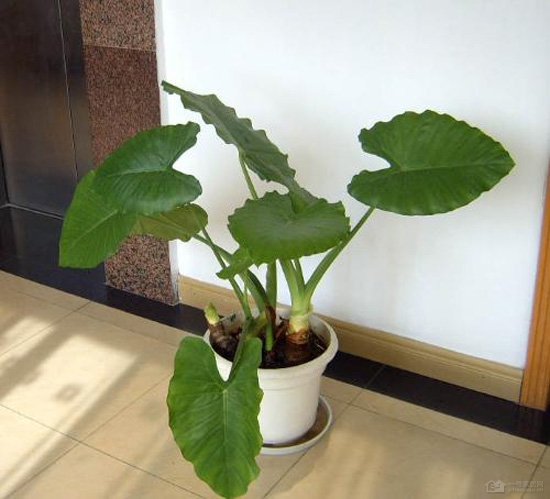
In fact, the way to prevent and treat yellowing leaves on the dumb cane is to start from the cause. Only by finding the root of the problem can you find a solution. Generally speaking, the main causes of yellowing leaves on the dumb cane are insufficient light, improper watering, unsuitable soil conditions, weather conditions, pest and disease damage, man-made damage, and so on. Based on these causes, the editor has put together the following solutions.
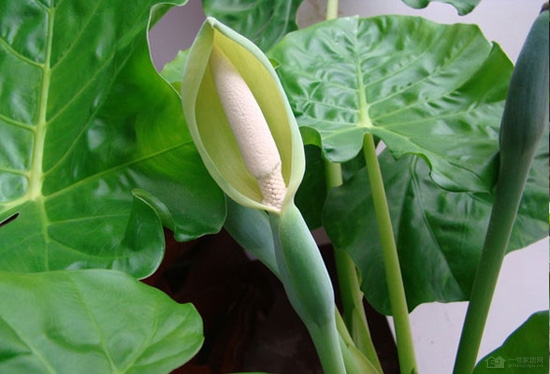
1. Give the dumb cane reasonable lighting conditions. The dumb cane likes a semi-shady environment, so pay attention to shading when caring for it, but be sure not to leave it in a dark environment for a long time. In addition, pay attention to the ventilation of the environment and keep the air flowing.
2. The dumb cane has a high water requirement. Water it whenever the soil dries out, watering thoroughly each time until water flows out of the bottom of the pot. Watering should be done regularly, and do not let the potting soil stay too dry or too wet for a long time. While watering, use a spray bottle to clean the leaves as well, keeping them clean, and you can also enjoy the sight of water rolling off the leaves.
3. The dumb cane does not have high soil requirements, but you must ensure the fertility of the potting medium. Choose a sandy loam or humus loam containing organic matter, and repot in time to increase nutrients. To boost the plant's own resistance, do not use nitrogen and phosphorus fertilizers alone; alternate them with organic fertilizer. Applying a little ferrous sulfate will make the leaves larger and greener.
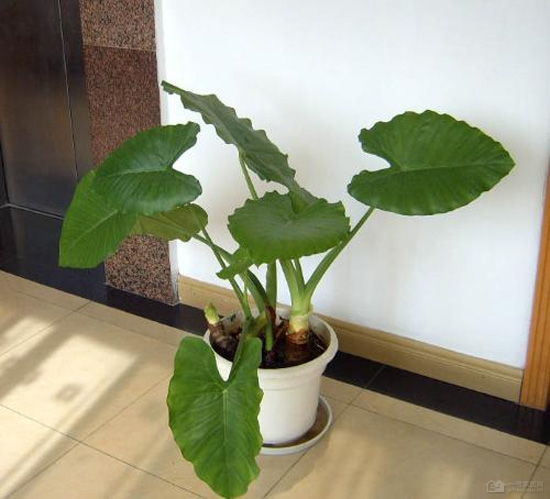
4. Keep the dumb cane's living environment warm and humid. When the weather turns cold in winter, move it indoors in time. Slowly adjust the dumb cane's living environment so that it adapts to changes in ambient temperature, and be sure not to place the dumb cane in an environment where the temperature fluctuates sharply.
5. Prevent man-made damage to the dumb cane. The sap of the dumb cane is toxic, so try to avoid contact with its tissues. When red spider mites appear on the plant, spray with a 1000-fold dilution of 40% dimethoate emulsion or a 1000-1500-fold dilution of 80% dichlorvos.
The above are the solutions to adopt when the leaves of the dumb cane turn yellow. As long as you follow these methods, you can keep your dumb cane lush and green.