What to Do When Alocasia macrorrhizos Roots Rot? Causes and Solutions Explained
Alocasia macrorrhizos is a very common indoor potted plant. Although its sap is toxic, many people keep it at home because it can remove formaldehyde, purify indoor air, and is easy to grow. However, Alocasia macrorrhizos can also develop root rot. What causes root rot in Alocasia macrorrhizos, and how should it be solved? Let's find out together below.
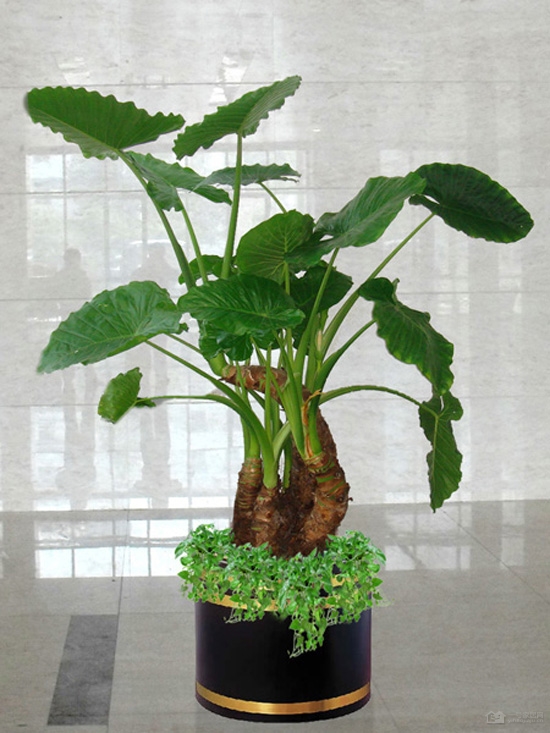
Causes of Root Rot in Alocasia macrorrhizos
Alocasia macrorrhizos is a plant that tolerates shade and fears strong light. It needs to be placed in a damp, cool spot, away from direct sunlight, and it should be misted frequently around and on the leaves to increase air humidity, lower leaf temperature, and keep the leaves clean. Precisely because Alocasia macrorrhizos loves shade, many people water it nonstop every day. When things go to extremes, they reverse. Because of excessive watering, water accumulates, the middle of the stem rots, and Alocasia macrorrhizos develops root rot.
Simply put, root rot in Alocasia macrorrhizos is mainly caused by long-term water accumulation. So how should the problem of root rot in Alocasia macrorrhizos be solved? Let me explain one by one.
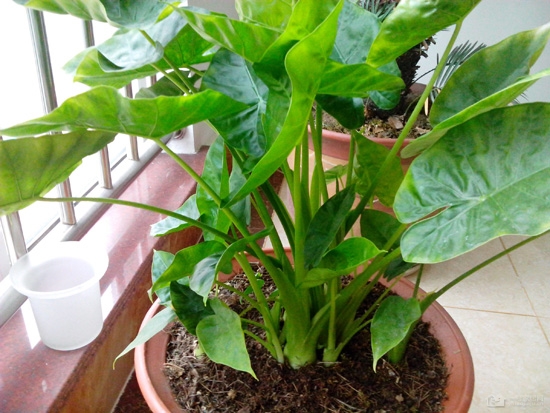
Solutions for Root Rot in Alocasia macrorrhizos
Root rot is mainly caused by potting soil that is too wet. Pull up the plant, cut off the rotten roots, and trim away a little of the healthy tissue near the rotten parts. Let it dry, and replant once the wounds have healed. Plant it in plain sand or sandy soil, and do not water for the time being. Water only after the potting soil has dried out completely. Do the same from then on: if it is not dry, do not water. In addition, place it in a ventilated spot.
After cutting off the rotten parts, it is best to apply some plant ash to the wounds. This can disinfect and sterilize them so they will not rot again. Second, it should be left in a cool place for a few days before replanting; there is no need to rush.
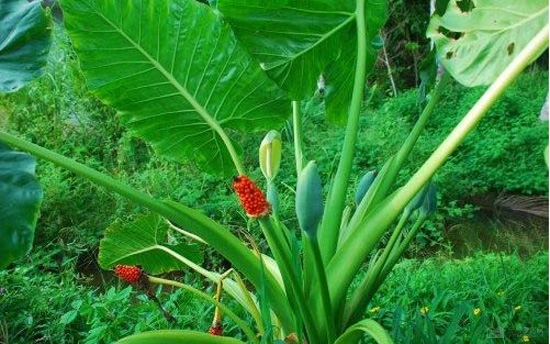
If Alocasia macrorrhizos is overwatered and the potting soil is too wet, root rot easily occurs. If only a small part of the roots has rotted, you can loosen the soil and improve aeration, increase humidity appropriately, and use other methods to bring the soil's water content down as quickly as possible. You can also repot it, replacing the original soil that has already been infected with disease with fresh potting soil. But if all the roots have rotted, the plant is very difficult to save.
That is the analysis of the causes of root rot in Alocasia macrorrhizos and the solutions. Hurry and use the methods above to save your family's "treasure."