Which plants can naturally absorb indoor renovation odors?
As is well known, after a house is renovated there are inevitably odors, because the paint used, or new furniture, will have some smell, and some smells may be toxic and harmful to health, such as the paint on painted surfaces and the paint applied to wooden furniture, which all contain formaldehyde. These smells will not all dissipate in a short time, so using something that can absorb odors is very necessary, and among these, plants that effectively absorb renovation smells are very effective. Below are several relatively effective plants:
Relatively large plants. These plants can not only be placed in the living room as decorations, but also have a good odor-absorbing effect. Among them is the dragon tree (Dracaena), which can grow for a long time and can absorb toxic odors such as toluene, xylene, benzene, trichloroethylene, and formaldehyde; the areca palm (Dypsis lutescens) is also relatively large, and its green palm leaves have a very effective purifying effect on xylene and formaldehyde; the weeping fig (Ficus benjamina) can not only increase room humidity, but also absorb toxic gases such as formaldehyde, xylene, and ammonia.
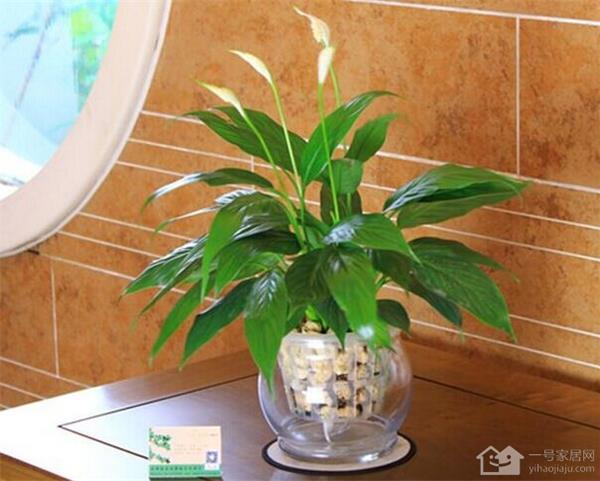
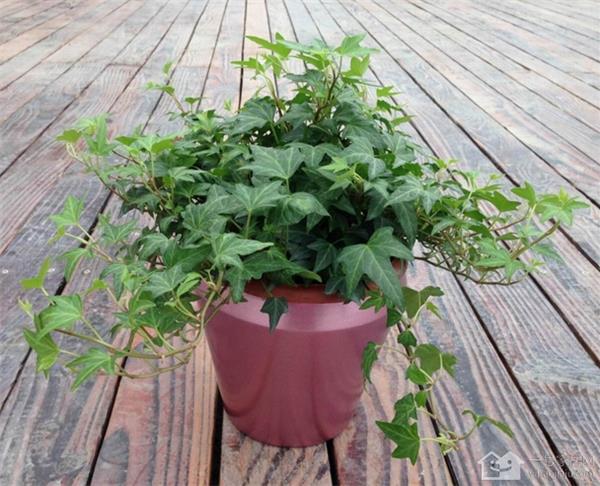
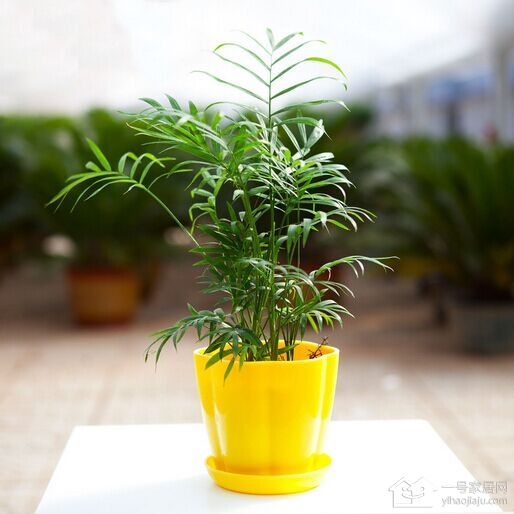
The plants that absorb renovation smells mentioned above are relatively large and are often placed independently on the living room floor, absorbing toxic gases while also being ornamental. The next few are small plants that can be placed on tables or windows and also have a very effective effect on absorbing renovation smells. English ivy (Hedera helix), through the tiny stomata on its leaves, can absorb toxic gases such as formaldehyde and nicotine; the peace lily (Spathiphyllum), which can filter acetone, benzene, trichloroethylene, and formaldehyde from the air; the spider plant (Chlorophytum comosum), whose leaves are slender but which has a strong ability to absorb formaldehyde; the Boston fern (Nephrolepis exaltata), which can absorb xylene, toluene, and formaldehyde; golden pothos (Epipremnum aureum), which can absorb formaldehyde, benzene, and carbon monoxide; and the parlor palm (Chamaedorea elegans), which very effectively absorbs benzene and trichloroethylene.
The plants that absorb renovation smells mentioned above are all very effective, and these plants can be considered for use in a newly renovated house. Using plants to remove indoor odors can not only naturally freshen the air, but also beautify the home, achieving two goals at once.