Recommended Indoor Plant Species and a Detailed Guide to Their Benefits
Science shows that placing some green plants in the home is extremely beneficial to our physical and mental health. Many people also want to buy some plants to decorate their homes, but they are troubled by not knowing which plants to choose. Below, we recommend some plant species suitable for growing indoors and explain what their benefits are.
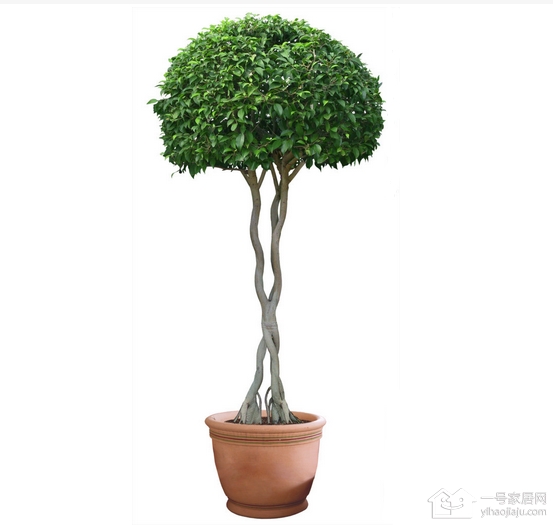
Weeping Fig
The weeping fig can raise the humidity of a room, which is good for our skin. It can also absorb formaldehyde, xylene and ammonia and purify stale air. In addition, the weeping fig's small leaves make it a beautiful decoration in a room, and it is often used by interior designers to create a cheerful atmosphere.
Light conditions: neutral plant, suitable for planting in semi-shade
Care required: plenty of water, keep the potting soil moist
Can remove: formaldehyde, toluene, xylene, ammonia
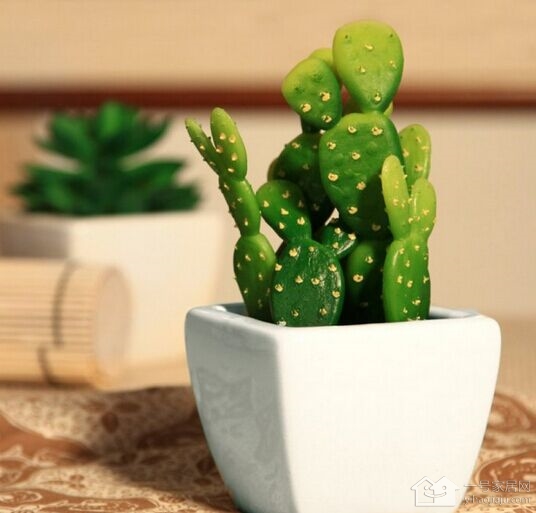
Cactus
The cactus (ball cactus) is an excellent flowering plant variety for courtyard greening and landscaping. Although they are covered in spines, their appearance is very attractive, and they can be processed for medicinal use and eaten. Spiny cactus types have thick, fleshy bodies and hold a lot of water, reducing indoor and outdoor pollution and benefiting human health.
-- A nighttime "oxygen bar": the ball cactus
The ball cactus mostly respires at night, when it is cooler and more humid. During respiration it takes in carbon dioxide and releases oxygen. So placing a big plant like a golden barrel cactus indoors is like adding an air freshener that can purify indoor air. That is why it is also an ideal flower for placing indoors at night.
-- A master at absorbing dust
Do not underestimate the ball cactus; it is also a master at absorbing dust! Placing a ball cactus indoors, especially a hydroponic ball cactus (because a hydroponic ball cactus is cleaner and more eco-friendly), can purify the environment.
Care required: very little water
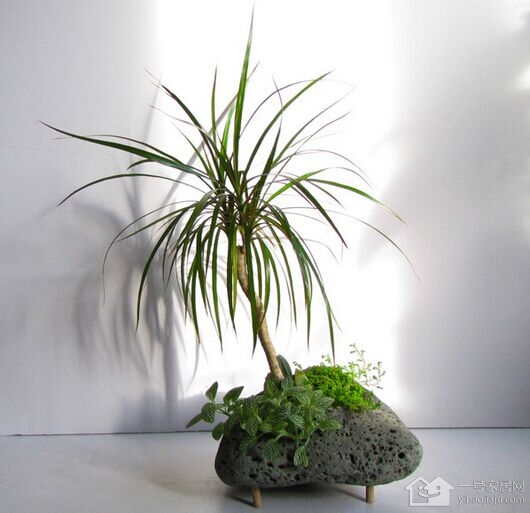
Dracaena Marginata
Its charming appearance and its ability to adapt to the dim, dry environment of an office make it a favorite of interior designers. With just a little care, it can grow for a long time and bring high-quality air. When it comes to suppressing harmful substances, few other plants can compare with Dracaena marginata. Its leaves and roots can absorb xylene, toluene, trichloroethylene, benzene and formaldehyde and break them down into non-toxic substances.
Light conditions: neutral plant, suitable for planting in semi-shade
Care required: keep the potting soil moist, fertilize regularly
Can remove: toluene, xylene, benzene, trichloroethylene, formaldehyde
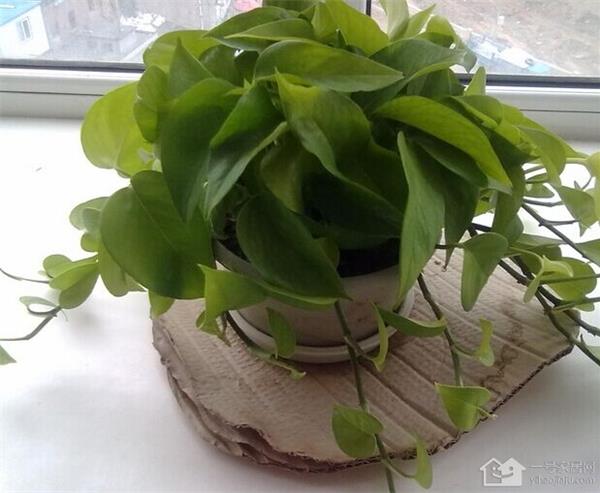
Golden Pothos
It can "work" in environments where other indoor plants cannot adapt. Through a process similar to photosynthesis, it breaks down toxic substances released by fabrics, walls and smoke into substances of its own. The golden pothos's beautiful heart-shaped leaves are uniquely decorative, especially when it trails outside a hanging pot. This type of plant is easy to care for and grows well even in dark environments, making it the best choice for beginners.
Light conditions: shade-loving plant
Care required: moderate water, a tiny amount of fertilizer
Can remove: formaldehyde, benzene, carbon monoxide, nicotine
The benefits of indoor plants:
Decoration and beautification
Carrying out a greenery arrangement according to the conditions of the indoor environment is not just about individual objects and one part of a space; it is about arranging all the elements of the environment and organizing individual, partial decorations together to achieve an overall beautifying effect. Through artistic treatment, indoor greenery decoration makes the decorated object more charming in terms of image, color and other aspects. For example, the rigid, dull forms created by lines in indoor architectural structures appear lively when accented with branches, leaves and flowers. Color in decoration often shapes people's impression of an environment; if there were no natural colors of leaves and flowers indoors, even the most beautiful colors of the floor, walls and furniture would still lack vitality. Green leafy branches can also serve as a frame for doors and windows, letting the colors outside flow better into the room, while unpleasant parts of the indoor or outdoor environment can be screened off with arranged plants. Therefore, the role of indoor foliage plants in indoor greenery decoration should not be underestimated.
Improving the environment
People's life, work, study and rest are all inseparable from the environment, and the quality of the environment plays an important role in people's psychology and physiology. In addition to the necessary daily necessities and decorative ornaments, indoor arrangements must include the breath and charm of life, so that people can enjoy the beauty of nature and feel comfortable. In addition, the branches and leaves of indoor foliage plants retain dust, absorb household exhaust gases, release and replenish oxygen beneficial to human health, and reduce noise. At the same time, modern building decoration often uses various coatings that are harmful to people, and indoor foliage plants have a strong ability to absorb and adsorb such harmful substances, which can reduce man-made environmental pollution.
It can be said that the architectural renovation and arrangement of objects and utensils in a modern home only address the "hardware" renovation and decoration, while indoor greenery decoration is the "soft decoration" of a modern home, and this "soft decoration" is a necessary complement to ordinary renovation and arrangement.
Improving space
In the beautification of indoor environments, greenery decoration can also play a certain role in structuring space. For example, according to people's living and activity needs, rows of plants can be used to divide indoor space into different areas; climbing vines trained onto trellises can become a green screen that separates spaces while also organically linking different spaces together. In addition, if an indoor room has difficult-to-use corners (that is, "dead corners"), suitable indoor foliage plants can be chosen to fill them, making up for the room's sense of emptiness and also serving a decorative purpose. Using the size and height of the plants themselves can adjust the sense of proportion in a space and fully improve the utilization rate of limited indoor space.
Placing a pot of green plants in a modern home interior can not only decorate our home but also bring us fresh air. With such a natural home decoration, what are you still hesitating about? I believe everyone will have gained some understanding, more or less, from the above content, and I hope this article can help you.
In addition to the necessary daily necessities and decorative ornaments, indoor arrangements must include the breath and charm of life, so that people can enjoy the beauty of nature and feel comfortable. In addition, the branches and leaves of indoor foliage plants retain dust, absorb household exhaust gases, release and replenish oxygen beneficial to human health, and reduce noise. At the same time, modern building decoration often uses various coatings that are harmful to people, and indoor foliage plants have a strong ability to absorb and adsorb such harmful substances, which can reduce man-made environmental pollution.It can be said that the architectural renovation and arrangement of objects and utensils in a modern home only address the "hardware" renovation and decoration, while indoor greenery decoration is the "soft decoration" of a modern home, and this "soft decoration" is a necessary complement to ordinary renovation and arrangement.
Improving space
In the beautification of indoor environments, greenery decoration can also play a certain role in structuring space. For example, according to people's living and activity needs, rows of plants can be used to divide indoor space into different areas; climbing vines trained onto trellises can become a green screen that separates spaces while also organically linking different spaces together. In addition, if an indoor room has difficult-to-use corners (that is, "dead corners"), suitable indoor foliage plants can be chosen to fill them, making up for the room's sense of emptiness and also serving a decorative purpose. Using the size and height of the plants themselves can adjust the sense of proportion in a space and fully improve the utilization rate of limited indoor space.
Placing a pot of green plants in a modern home interior can not only decorate our home but also bring us fresh air. With such a natural home decoration, what are you still hesitating about? I believe everyone will have gained some understanding, more or less, from the above content, and I hope this article can help you.