These types of indoor plants are harmful to human health, never bring them home
As society progresses and people's quality of life improves, most people have started growing flowers and plants at home. But while these plants are being protected, they may also be harming the health of family members and themselves. When we grow plants at home, we may value the plant's own form and green healthiness, but we do not realize that these plants may harm us when we do not have a deep understanding of them. Below, the editor of this decoration website will take you to understand which dangerous plants should not exist around you.
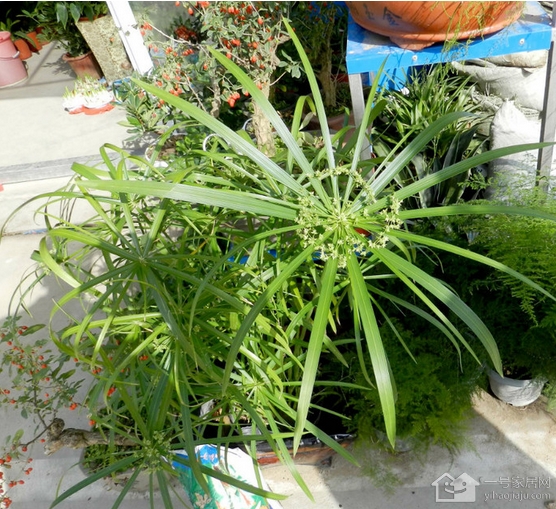
Growing flowers and plants indoors can "create" a good microclimate. In modern buildings made with reinforced concrete precast panels, indoor air humidity is much lower than normal standards, almost the same as in a desert. But a plant called flatsedge (Cyperus) can turn a "desert" into an "oasis." Flatsedge likes water, so potted flatsedge should be placed in a deep water trough. Many flowers and plants suitable for indoor growing have a sterilizing function. If some potted citrus, rosemary, myrtle, spider plant, etc. are placed in a room, bacteria and microorganisms in the air will be greatly reduced.
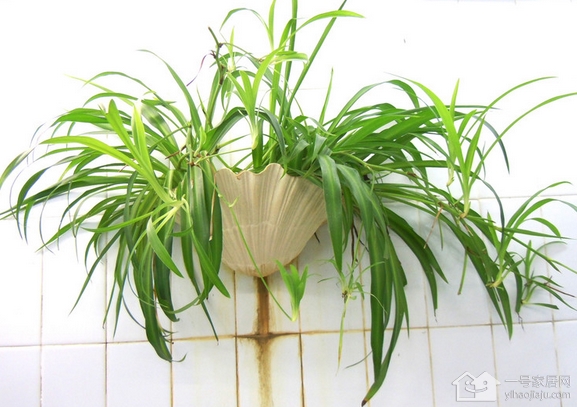
People feel stuffy in a poorly ventilated room, not because there is insufficient oxygen indoors, but because negative oxygen ions are extremely scarce. When a TV or computer is turned on indoors, negative oxygen ions rapidly decrease. There are many flowers and plants that can be grown indoors that can produce negative oxygen ions - these flowers and plants are cypress, Oriental arborvitae and Japanese cedar. If the indoor area is too small, you might as well change the types and grow some low-growing plants, such as cacti. At present, growing spruce and other low-growing conifers on balconies is popular in the West; they can fill the room with a refreshing tree fragrance. Placing some pollution-resistant flowers and plants in a living room can also play the role of an air purifier. For example: English ivy can "eat" benzene, spider plant can "devour" indoor carbon monoxide and formaldehyde, and the spathe of Arisaema can absorb benzene and trichloroethylene. If there is one pollution-resistant plant in a 10 sq m room, it will greatly help air purification.
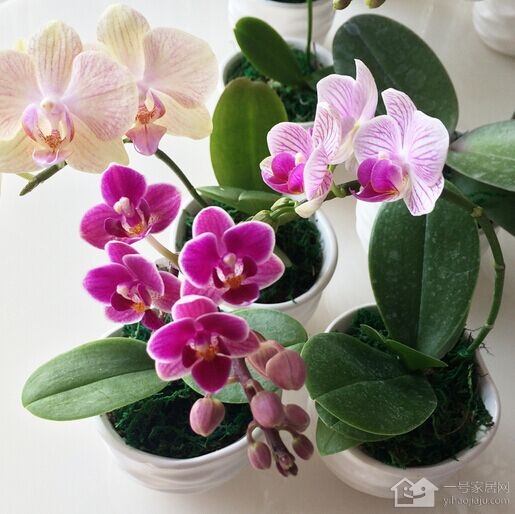
Not every kind of flower is suitable for viewing in a room. For everyone's health, the following eleven kinds of flowers are not suitable for placing in the bedroom:
1. Orchid: its fragrance can cause insomnia.
2. Redbud: its pollen can trigger asthma or worsen coughing symptoms.
3. Mimosa: its body contains an alkaloid that can cause hair loss.
4. Chinese rose: its rich fragrance can cause some people to feel chest tightness and discomfort, suffocation and difficulty breathing.
5. Lily: its fragrance can also overexcite the human central nervous system and cause insomnia.
6. Night-blooming jasmine: its fragrance can make patients with high blood pressure and heart disease feel dizzy, depressed and uncomfortable.
7. Oleander: its secreted fluid can poison people, causing drowsiness and reduced intelligence.
8. Pine and cypress: the fragrant odor of pine and cypress flowers and trees has an irritating effect on the human gastrointestinal tract.
9. Hydrangea: the fine particles it releases can cause skin allergies in people and trigger itching.
10. Tulip: its flowers contain a toxic alkaloid; prolonged contact will accelerate hair loss.
11. Yellow-flowered rhododendron: its flowers contain a toxin. Once mistakenly eaten, mild cases will cause poisoning, and severe cases will cause shock.
The above is a related introduction to indoor plants. Although fresh flowers are beautiful and look especially lovely in the home, many flowers are easily harmful to human health because of their own special, rich floral fragrance, so they are not suitable for placing indoors. Everyone should pay attention to the 11 kinds of flowers and plants mentioned above that are not suitable for placing indoors.