10 major reasons for yellowing areca palm leaves and essential knowledge for growing it
You must all be familiar with the areca palm (Dypsis lutescens); it is one of the most popular indoor potted plants. But some friends have encountered yellowing areca palm leaves when growing it. So what causes areca palm leaves to turn yellow? Below, the editor introduces the 10 major reasons.
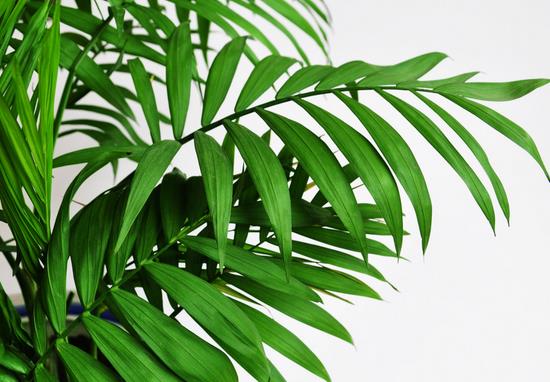
What causes areca palm leaves to turn yellow?
1. Unsuitable soil
Indoor potted areca palms should be planted in slightly acidic soil. If the soil is not acidic enough, it will affect the absorption function of the areca palm's root system, causing the leaves to turn yellow.
2. Improper transplanting
Transplanting into pots is something that must be done when growing areca palms in pots. When the plant is dug out and potted, part of the surrounding root system must be removed, and the fine surrounding roots are precisely the main roots responsible for absorption. Once this part of the root system is damaged, it easily leads to problems with nutrient supply, causing the plant to gradually wither and die. Yellowing and drooping leaves are exactly the warning signs of this.
3. Overwatering
Overwatering is also one of the reasons areca palm leaves turn yellow. It is not that the plant can absorb and use water just because there is water in the potting soil. When the potting soil is too wet, it affects the respiration of the plant's roots, thereby affecting the root system's absorption of water and causing the plant's leaves to turn yellow.
4. Underwatering
Overwatering is no good, and underwatering is no good either. During its growth period, the areca palm needs an adequate supply of water. When the potting soil stays dry for a long time, the plant cannot get the sufficient water it needs for growth, and the leaves will begin to turn yellow and wither.
5. Humidity too low
The areca palm likes relatively high air humidity. When the air is too dry, the leaves will begin to slowly turn yellow. Throughout the growth period, water should be sprayed on the leaf surfaces and the surrounding environment 3~4 times a day to increase air humidity. But after the dormant period, watering should be stopped.
6. Temperature too low
The areca palm likes warmth, and in winter, good insulation and frost protection work must be done. Generally, it can overwinter relatively safely at around 10°C. If the temperature is too low, the leaves will turn yellow, the leaf tips will dry up, and the roots will be damaged, affecting growth in the coming year.
7. Sunlight too strong
From May to September, the areca palm likes a semi-shaded environment. Under direct sunlight, phenomena such as yellowing leaves and scorched tips and edges will appear. During this period, it should be placed under a shade shed or a large tree to avoid direct sunlight.
8. Fertilizer too concentrated
Fertilizer that is too concentrated can cause reverse osmosis in the plant's root cells, making the plant lose water. In mild cases, it leads to scorched tips and edges on the leaves; in severe cases, it causes root rot and death.
9. Potting soil too heavy and sticky
The areca palm is suitable for planting in sandy loam soil. If the potting soil is too heavy and sticky, part of the root tips will rot first, and then the leaves will begin to turn yellow. The plant will not grow well and may even die.
10. Pest infestation
Spider mites, scale insects and others are relatively common pests of the areca palm. When spider mites or scale insects grow on the areca palm leaves, the pests damage the plant, and the areca palm leaves will begin to turn yellow. If measures such as spraying pesticide are not taken, the areca palm will slowly die.
The editor reminds everyone that the areca palm is a plant that is relatively afraid of cold, so you must adjust the indoor temperature well. Also, you should often wipe the leaf surfaces of the areca palm to keep them clean!