Can dragon fruit be grown in pots? Here's how to cultivate it properly
Dragon fruit is a popular fruit in summer. If it is not stored well, it will rot, and many people then worry about it. Can dragon fruit be grown in pots, and how should it be cultivated? Below, the editor shares some small life experience with everyone.
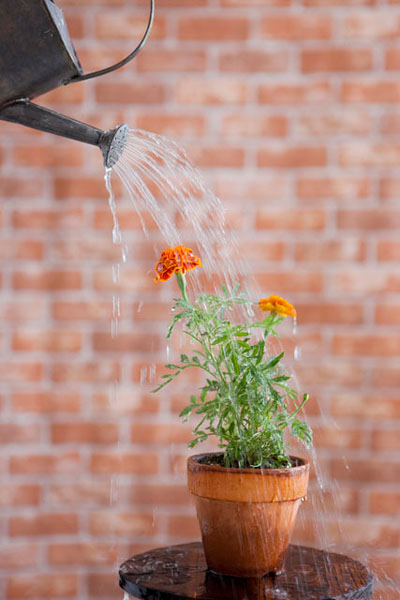
Can dragon fruit be grown in pots?
Dragon fruit is highly adaptable and not picky about soil. It can be planted as long as the temperature does not stay below 8°C for a long time. In northern areas where winter temperatures are low, it can be placed indoors to overwinter. To grow a small amount of dragon fruit, you can buy seedlings or ask a friend for some pruned stem cuttings (10-15 cm long is enough). Generally, they can survive when inserted into plain sand. With good management, flowers can be seen more than 70 days after planting the seedlings.
How should it be cultivated?
1. Choosing the pot
Dragon fruit is a shallow-rooted plant. Prepare a clay pot, and a drainage hole should be made in the bottom of the pot. If there is no clay pot, a wooden box will also do. As long as it is breathable, it is fine. It is best not to use plastic, which is too airtight a container. Before planting dragon fruit, soak the pot in clean water for several hours so that the foul gas in the pores on the pot wall is discharged; otherwise, it will affect the plant's root growth.
2. Choosing the soil
To plant dragon fruit, first find some neutral or slightly acidic soil. It must be loose and breathable, as alkaline soil is not good for cultivation. We can also make our own growing medium by mixing leaf mold, manure soil and coarse river sand in a ratio of 6:1:1.
3. Potting method
Cuttings are the easiest way to get dragon fruit to survive in pots. As long as the seedlings have grown roots and produced new branches, they can be moved into pots. Make a drainage hole in the bottom of the pot. Around the hole, you can use a piece of tile to cover the hole so that sand does not leak out. You can also first spread a layer of large small stones. Then pour in the growing medium, place two seedlings on the soil mound, and spread the seedling roots in the soil. Then lightly press the soil around the edge of the pot with your hand, water thoroughly, and after a week move it to the balcony.
4. Cultivation management
Dragon fruit has good drought tolerance, so water does not need to be given too frequently, but the soil should be kept moist. Water once a week with an organic fertilizer liquid mainly based on nitrogen fertilizer, which can be diluted. If side buds grow on the stems and branches, remove them and keep the terminal bud so that it can grow taller. When the plant height reaches about 1 m, cut off about 3 cm of the stem tip at the top. This can encourage side branches to emerge at the top, and it will no longer grow upward. When the top side branches grow to about 50 cm, then place bamboo poles around the edge of the pot at the same height as the plant, tie a crossbar to the top of the bamboo poles, and tie the side branches to the crossbar so that they extend flat or hang down naturally. When the side branches exceed 80 cm, cut off about 3 cm of the stem tip to reduce nutrient consumption, promote flower bud differentiation, and encourage earlier flowering and fruiting. With good management, it will bloom after 7-8 months.
5. Management during the flowering period
Dragon fruit has a long flowering period, and because there are many large flowers, its nutrient demand is also high. In addition to adding fertilizer and water, in the half month before flowering, apply an organic liquid fertilizer containing phosphorus and potassium fertilizer once every 5-7 days. If dragon fruit is potted on a balcony or rooftop, because the amount of soil in the pot is small and nutrient supply is limited, the side branches should not be left too long, and it is recommended to leave only 1 fruit per branch. Dragon fruit can set fruit by self-pollination, and artificial pollination can be done if conditions permit. In the evening when the flowers are in full bloom, use a new brush to dip some pollen from the anthers of one flower's stamens and dab it onto the stigma of another flower.
6. Management after harvest and overwintering
When the fruit turns from green to red, harvesting can begin. After November each year, the fruit has been completely picked. Then apply a base fertilizer again. The method is to dig up the soil on the inner side around the edge of the pot with a small trowel to a depth of about 10 cm, temporarily pile the soil at the root of the plant, then apply organic fertilizer mixed with barnyard manure and chicken manure, then put the soil back, water thoroughly once, and prepare for overwintering. If you are in the north, be sure to move it indoors to protect it from the cold. Do not fertilize during overwintering. Water appropriately. Then after mid-May, move it outdoors and cut the old side branches, cutting them off near the roots. This can produce new side branches; otherwise, the original side branches are not suitable for flowering and fruiting.
The above is the life experience the editor shares with everyone. Dragon fruit can indeed be grown in pots, though methods still matter. I hope it can help everyone in daily life.