What plants are suitable for indoor potted cultivation? What are their benefits?
Indoor potted plants are small and delicate, with cute and unique shapes, and are increasingly favored by consumers. Many people choose indoor potted plants to grow, so what plants are suitable for indoor potted cultivation, and what are their respective benefits? Below, the editor will answer your questions.
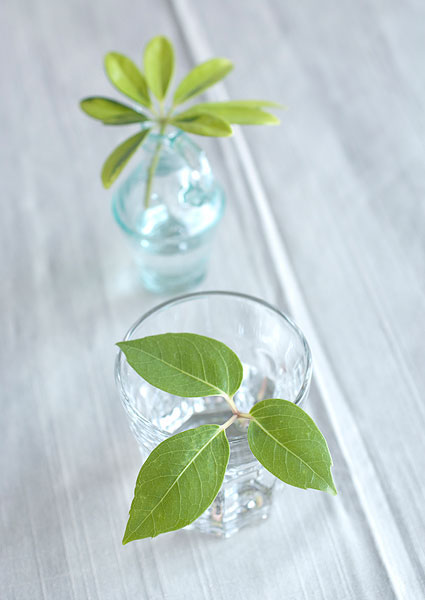
1. Alocasia (Alocasia macrorrhizos):
It has the effect of removing dust from the air. But the water it drips is also toxic, so do not touch or consume its sap.
2. African Jasmine (Fagraea ceilanica):
The volatile oils it produces have a significant bactericidal effect. It can help people relax and is conducive to sleep.
3. Peace Lily (Spathiphyllum):
It inhibits waste gases exhaled by the human body, and at the same time it can also filter benzene, trichloroethylene and formaldehyde from the air.
4. Aglaonema (Aglaonema commutatum):
The higher the concentration of pollutants in the air, the more it can exert its purifying ability. It is very suitable for dark rooms with poor ventilation.
5. Maidenhair Fern (Adiantum):
It can absorb about 20 micrograms of formaldehyde per hour, so it is considered the most effective biological "purifier." It can also inhibit xylene and toluene released from computer monitors and printers.
6. Umbrella Tree (Schefflera arboricola):
It brings fresh air to households with smokers. Its leaves can absorb nicotine and other harmful substances from smoke-filled air.
7. Spider Plant (Chlorophytum comosum):
It can release oxygen within 24 hours, and at the same time it can absorb 95% of carbon monoxide and 85% of formaldehyde in the air. One pot of spider plant in a room of 8-10 sq m is equivalent to an air purifier.
8. Aloe (Aloe vera):
One pot of aloe is equivalent to nine biological air cleaners. When indoor harmful air is too high, spots will appear on the leaves of the aloe, which is a distress signal; as long as a few more pots of aloe are added indoors, the indoor air quality will return to normal.
9. Monstera (Monstera deliciosa):
It absorbs carbon dioxide at night and improves air quality. Monstera generally has a larger plant size with an elegant shape. Its leaves are relatively sparse and beautiful, so it is a very ideal indoor plant. After the fruit of Monstera matures, it can be cooked as a dish, and its fragrance is like that of a banana.
10. Ivy (Hedera helix):
The champion of formaldehyde absorption. At the same time, ivy can also absorb benzene, a toxic and harmful substance. Under 24-hour lighting conditions, it can absorb 90% of indoor benzene.
11. Broadleaf Lady Palm (Rhapis excelsa):
It eliminates heavy metal pollution and carbon dioxide. The function of Broadleaf Lady Palm is similar to that of Monstera. Also belonging to large-leaf ornamental plants, Broadleaf Lady Palm can absorb more than 80% of various harmful gases and purify the air.
12. Lucky Bamboo (Dracaena sanderiana):
A healthy plant suitable for the bedroom. Lucky Bamboo can help improve air quality in rooms that are not frequently ventilated and has a disinfecting function. Especially in the bedroom, Lucky Bamboo can effectively absorb waste gases, improving the private environment of the bedroom.
13. Money Tree (Pachira aquatica):
It can counteract the waste gases produced by burning tobacco, absorbing toxic gases through photosynthesis and releasing oxygen.
The above are the types of plants suitable for indoor potted cultivation summarized by the editor. I hope it can help everyone correctly choose indoor potted plants and enjoy a more comfortable life.