Five Don'ts and Six Don'ts Every Gardener Must Know
Growing flowers is a skilled pursuit, not something that can be done well just by letting plants bask in the sun and giving them water. There are many taboos that gardeners must pay attention to. Let's take a look together at the "Five Don'ts and Six Don'ts" that every gardener must know.
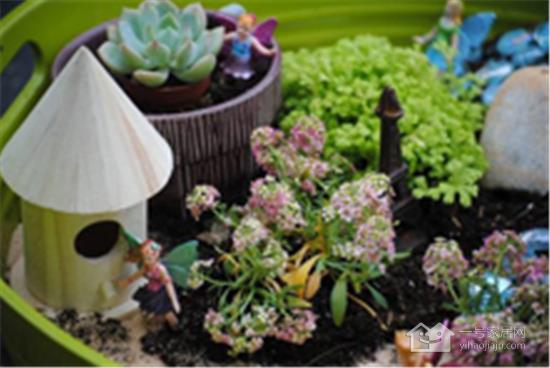
Five Don'ts for the Care of Flowers and Bonsai
1. Don't let them go dry.
Watering only when you remember and skipping it when you don't, sometimes leaving them unattended for days on end, then rushing to water as soon as the leaves wilt so the leaf surface recovers, is just a reaction of the trunk adapting to its environment. But if this goes on long enough, the excessive transpiration will eventually leave the trunk too "sick" to recover, and it will die of dehydration.
2. Don't fertilize.
In the heat of midsummer, the leaves lose water quickly. Fertilizing at this time can make the solute concentration in the trunk's cells lower than that of the surrounding environment, causing water in the plant cells to flow back into the soil, and the trunk dies of dehydration from fertilizer damage.
3. Don't water at noon.
In the midday heat of summer, do not spray water on the trunk in direct sunlight or pour water into the pot. This kind of "pampering" will make the bonsai's temperature suddenly drop below the ambient temperature and harm the trunk.
4. Don't move it into sudden shade.
Normally, to avoid damage from high temperatures, when the ambient temperature exceeds the maximum temperature the trunk can tolerate, the bonsai should be moved to a relatively low-temperature area with weaker light (about 2 degrees lower) to benefit the trunk's growth. But if it is suddenly moved indoors or into a low-temperature area without light, within a few days the leaves will drop off on their own and the trunk will quickly wither and die.
5. Don't let water accumulate.
When the ambient temperature exceeds 28 degrees, the bonsai should be given shade protection. Otherwise, the amount of water the trunk takes in from the soil will be far less than the amount it loses through transpiration; in mild cases the leaf edges will be scorched and burned, and in severe cases the trunk will be severely damaged by sunscald and die.
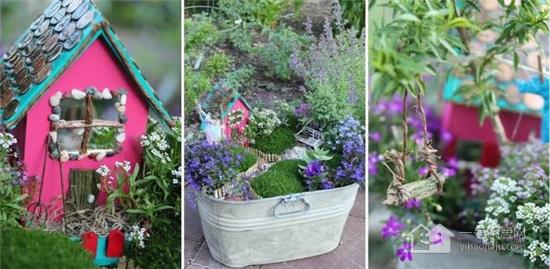
Six Don'ts for Growing Flowers
Household greenery is becoming more and more common now, but many flower-growing enthusiasts, because they don't grasp the essentials, end up with flowers that are droopy and lifeless. Where does the problem lie? Here are several tips on home flower growing summarized from practice:
1. Don't be careless.
Flowers, like people, are living things and need careful tending. Many growers lack the care and diligence these beautiful lives deserve. First, they are mentally lazy, unwilling to study flower-growing knowledge, content to remain laymen for a long time, and their management is not up to standard. Second, they are physically lazy, unwilling to spend too much time and energy on their flowers. After the flowers enter the home, they are left neglected in a corner, enduring hunger and thirst for long periods and suffering from pests and diseases. In this way, even the best flowers will gradually wither. So lazy people cannot grow flowers well.
2. Don't love them too much.
Opposite to the above situation, some growers love their flowers too much, and their hands itch if they don't fiddle with them for a moment. Some water and fertilize without any pattern, watering whenever they think of it, causing the flowers to die from overwatering and overfertilizing; others casually move the pots around, shifting them to several places a day, forcing the flowers to constantly adapt to their environment, disrupting their normal growth patterns. If this goes on, it would be a wonder if the flowers weren't tormented to death. Having a few nice pots of flowers at home and being fond of them is understandable, but flowers, like people, have their own growth patterns. If you keep disturbing them when they need to rest, they will naturally feel exhausted and grow poorly.
3. Don't fail to tell the good from the bad.
Some growers are eager to have it all, bringing home any variety they see regardless of what it is. This not only makes management more difficult but also brings into the home some flowers that are unsuitable to grow, polluting the environment and harming health. For example, flowers with toxic sap can cause poisoning when people come into contact with them. The scent of some flowers affects the human nervous system, easily causing breathing difficulty or even allergic reactions. Plants with sharp thorns also pose a certain threat to human safety, and so on. In short, home flower growing should not be about wanting it all and failing to tell the good from the bad; you should choose varieties that are smaller in form, attractive in appearance, and harmless to people.
4. Don't chase fame and profit.
Some flower enthusiasts believe that growing flowers means growing famous varieties, because famous flowers have high ornamental value and yield big profits on the market. Driven by this mindset, they spare no expense, searching everywhere to buy famous flowers and trees. The result is often that, lacking good greening and care conditions and management skills, the flowers die soon after being bought, which both ruins the precious flowers and wastes money. This is a misconception. The correct approach should be to start with ordinary, lower-grade varieties, gradually figuring out the patterns and techniques of flower growing. Once you reach a certain level of skill, then gradually buy more precious varieties; that way, success is much more likely.
5. Don't keep changing your mind.
Some growers are restless and fickle, growing flowers without any theme, swapping the plants at home in and out like a revolving lantern. This is a great taboo in flower growing. First, changing varieties too quickly and growing each for too short a time makes it hard to cultivate flowers and trees with graceful form and high ornamental value. Second, dabbling in every kind of flower without going deep is not conducive to improving your flower-growing skills, and in the end you remain a flower novice. Therefore, only by choosing one or two kinds of flowers and focusing on studying and cultivating them can a grower truly gain something.
6. Don't cling to outdated ideas.
Today, new knowledge and new techniques in flower growing emerge endlessly, yet most growers still cling to traditional care methods, and in areas such as the use of containers, water and fertilizer management, and seedling cultivation, they are not good at using new techniques and new equipment, such as soilless culture, odorless flower fertilizers, and various flower containers. As a result, home flower growing becomes unsanitary, unattractive, and unoriginal, with considerable side effects.
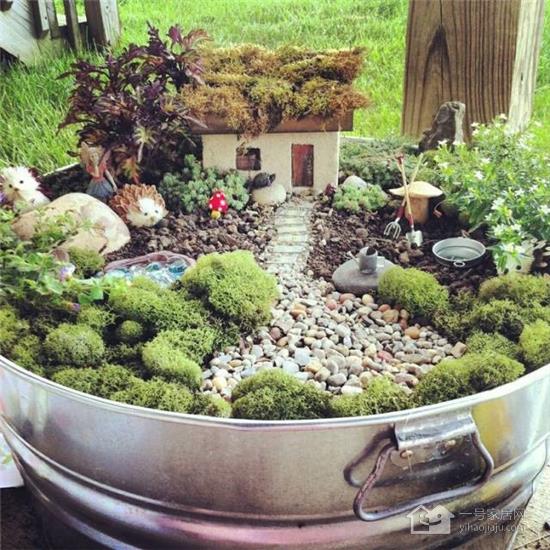
9 Major Principles for Indoor Flower Care
1. Let plants go dormant.
Many indoor flowers enter a relatively dormant period in winter or after flowering. During this time, the plants need less water and fertilizer than during vigorous growth, and the required temperature is also lower.
2. Deal with plant problems quickly.
Whether you are an expert or a beginner, you will run into some problems. If you find pests, as long as you treat them promptly they won't cause much damage. If a virus infection occurs, treatment is more troublesome, so isolate the plant as early as possible. Overwatering causes no big problem at first, but over time it leads to death. Learn to recognize the early symptoms of problems in your plants.
3. Potting soil must not become waterlogged.
Plant roots need air as well as water. If the potting soil stays waterlogged for too long, the roots will suffocate and die because there is no air available for them to breathe. You should learn how to water correctly.
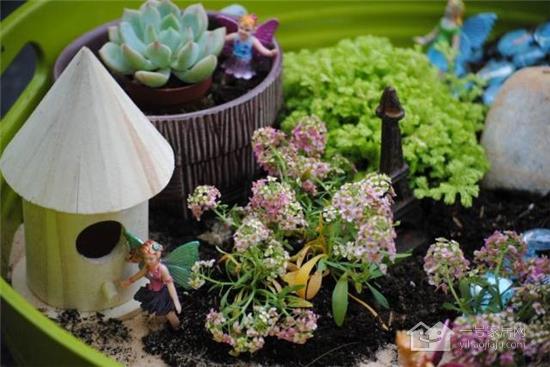
4. Group several plants together for care.
When multiple plants are placed together for cultivation, almost all of them grow better and look better too. You should learn why and how to place plants together.
5. Choose suitable species.
To make plants grow lushly indoors, you must choose species suited to indoor environmental conditions; that is, even an expert cannot make shade-loving plants grow well in direct sunlight or under a window.
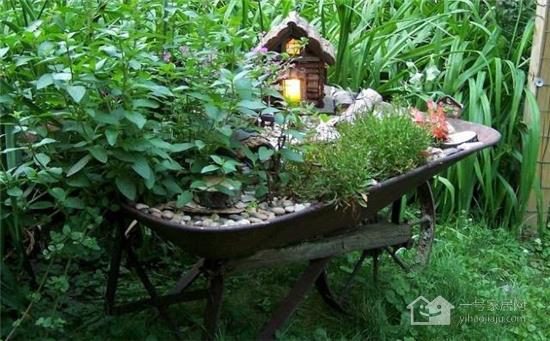
6. It is normal for some plants to go dormant after flowering; popular potted flowers
such as cyclamen, gloxinia, and chrysanthemum gradually turn yellow and drop their leaves after flowering, entering a dormant period. This is the plant's normal growth process, not the result of poor care on your part. Increase air humidity. In the north, after indoor heating in winter, the air becomes very dry. You should find ways to increase air humidity.
7. Choose appropriate tools.
Commonly used tools include: a watering can with a long spout and a fine nozzle; a sprayer for increasing humidity, removing dust, and controlling pests; good potting media such as peat moss, river sand, and moss; flower pots, trays, or cachepots in different sizes; palm poles to support climbing plants and nylon line or wire for tying plants; insecticides, fungicides, fertilizers, and leaf shine; pruning shears, grafting knives, and so on.
8. Learn to repot.
After a potted flower has been cultivated for one or two years, most plants gradually weaken in growth. In many cases, simply giving them a larger pot restores their vitality.
9. Understand the special needs of the plants you grow.
10. Different plants have different growth requirements; only by growing them according to their special needs can you make them thrive.
9 Major Principles for Indoor Flower Care
1. Let plants go dormant.
Many indoor flowers enter a relatively dormant period in winter or after flowering. During this time, the plants need less water and fertilizer than during vigorous growth, and the required temperature is also lower.
2. Deal with plant problems quickly.
Whether you are an expert or a beginner, you will run into some problems. If you find pests, as long as you treat them promptly they won't cause much damage. If a virus infection occurs, treatment is more troublesome, so isolate the plant as early as possible. Overwatering causes no big problem at first, but over time it leads to death. Learn to recognize the early symptoms of problems in your plants.
3. Potting soil must not become waterlogged.
Plant roots need air as well as water. If the potting soil stays waterlogged for too long, the roots will suffocate and die because there is no air available for them to breathe. You should learn how to water correctly.
4. Group several plants together for care.
When multiple plants are placed together for cultivation, almost all of them grow better and look better too. You should learn why and how to place plants together.
5. Choose suitable species.
To make plants grow lushly indoors, you must choose species suited to indoor environmental conditions; that is, even an expert cannot make shade-loving plants grow well in direct sunlight or under a window.
6. It is normal for some plants to go dormant after flowering; popular potted flowers
such as cyclamen, gloxinia, and chrysanthemum gradually turn yellow and drop their leaves after flowering, entering a dormant period. This is the plant's normal growth process, not the result of poor care on your part. Increase air humidity. In the north, after indoor heating in winter, the air becomes very dry. You should find ways to increase air humidity.
7. Choose appropriate tools.
Commonly used tools include: a watering can with a long spout and a fine nozzle; a sprayer for increasing humidity, removing dust, and controlling pests; good potting media such as peat moss, river sand, and moss; flower pots, trays, or cachepots in different sizes; palm poles to support climbing plants and nylon line or wire for tying plants; insecticides, fungicides, fertilizers, and leaf shine; pruning shears, grafting knives, and so on.
8. Learn to repot.
After a potted flower has been cultivated for one or two years, most plants gradually weaken in growth. In many cases, simply giving them a larger pot restores their vitality.
9. Understand the special needs of the plants you grow.
10. Different plants have different growth requirements; only by growing them according to their special needs can you make them thrive.