How to grow potted sago palm? Detailed guide to cultivation and care methods
How to cultivate potted sago palm and how it should be cared for
As a new trend in plant cultivation, potted plants have gradually come into people's view, and people's interest in potted plants is growing deeper. The potted sago palm is one of the most common plants grown in pots. So how do you cultivate a potted sago palm, and how should it be cared for? Below, the editor answers these questions for you.
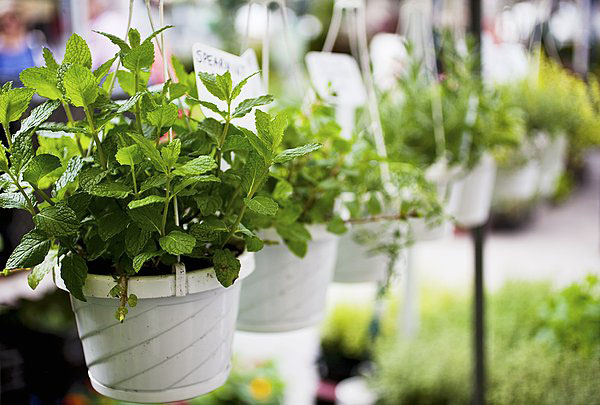
Potted Cycas revoluta should be planted in flower pots of different sizes according to the size of the plant, using a slightly acidic sandy culture soil rich in humus, loose and fertile, with strong permeability. The bottom hole of the flower pot (wooden barrel) should be made larger, and a layer of broken tiles should be laid at the bottom of the pot as a drainage layer to prevent root rot. It is not necessary to change the pot every year, but organic liquid fertilizer needs to be applied frequently, preferably hemp paste residue or bean cake water, which can make the leaves glossy and emerald green. Northern water quality tends to be alkaline, so it is best to water with a 1/500 ferrous sulfate aqueous solution about once every two weeks. In summer, keep the pot soil moist frequently. In winter, move it into a low-temperature greenhouse for care. In the following spring, take it out in mid-April. If it is kept over winter in a medium-temperature or high-temperature greenhouse and new leaves sprout in early spring, then it must wait until the dry spring winds have passed before it can be moved outdoors, placed under a shade shed for care, and after the new leaves have all unfolded and become strong, moved into sunlight, otherwise the new leaves are prone to scorching and damage.
Potted sago palms can be brought out in April-May, and the soil should be replaced with new soil every 2-3 years when repotting. For potted culture soil, fertile and loose sandy loam is best. When repotting, place broken tiles and coarse gravel at the bottom of the pot to make a good drainage layer, and apply 2-3 pieces of horse hoof slices and cake fertilizer as base fertilizer. In the vigorous summer growth period, apply thin decomposed cake fertilizer water, once or twice a month is enough. If "black alum water" (ferrous sulfate) is added to the topdressing, the leaf color can become deep green and glossy. Stop fertilizing after autumn begins.
For watering a potted Cycas revoluta, for a newly potted sago palm, the pot soil should not be excessively wet. The pot soil should be neither dry nor wet, maintaining appropriate dryness to avoid root rot. After the new leaves stretch out, the amount of watering should be appropriately increased. In summer, the season of vigorous growth, it can be slightly more, watering once a day. After autumn begins, growth gradually slows down, and attention should also be paid to controlling the amount of watering. In the rainy season, absolutely avoid standing water in the pot. After the new leaves emerge, the withered, weak, and yellow leaves should be cut off to maintain the plant's graceful appearance.
The above is the content introduced by the editor. I hope it can serve as a reference for everyone. Although the sago palm does not bloom, it also has great ornamental value.