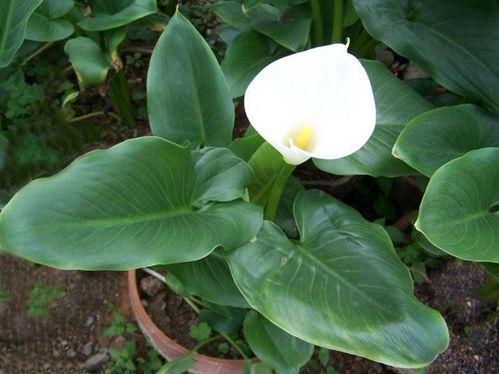
Calla Lily Planting Methods, Nutritional Needs, and Fertilizing Precautions
Few flowers possess the elegance and simplicity of the calla lily. Though not a true lily, callas are an indispensable part of weddings and funerals, and their classic blooms represent love and devotion. Callas can reach waist height and need plenty of water and high-phosphorus fertilizer. Feeding calla lily plants not only boosts overall health but also promotes more and larger blooms. Calla lily fertilizing should also be done at planting time.
Calla Lily Feeding at Planting Time Feeding calla lily plants at planting time and again each spring can help promote abundant flower growth. Avoid high-nitrogen feeds, which will promote foliage development but reduce flowers. These South African natives are heavy water users and need plenty of the right nutrients for maximum bloom and healthy growth. A few tips on how to fertilize calla lilies will ensure beautiful flowers and upright, vigorous plants.
Calla lilies grow from tubers. Just like bulbs and corms, these are underground storage organs that contain all the material the plant needs to produce leaves, stems and flowers. The tubers need to be plump, free of blemishes and damage. Check your tubers each year, lifting them indoors if necessary and inspecting over the tubers.
When you are ready to plant them in spring, prepare a well-drained garden bed or place them in containers with a good potting mix. Add well-rotted compost, bone meal or cow manure to the soil to start feeding gradually. You may also want to give the tubers a biweekly diluted fish emulsion to stimulate growth.
Remember, feeding calla lily plants is only part of the equation. Calla lily plants are water lovers, and their growing process must never be allowed to dry out from lack of moisture.
Calla LilyHow to Fertilize
In southern climates, calla lilies can be left in the ground and will produce foliage year-round. In northern regions, these tender stems should be lifted and stored indoors in a cool, dry place until spring or until all danger of frost has passed. Plants left in the soil benefit from mulch around their root zone. This will slowly compost into the soil, enriching it while also retaining moisture.
For annual calla lily feeding, use organic products or timed-release blends. They deliver nutrients at a slow rate that plants can easily take up. You can also work bone meal into the soil around the root zone to add phosphorus, thereby enhancing bloom. High-phosphorus formulas can also be used for calla lily fertilization in spring, but remember that this only provides a high dose of one macronutrient, and plants need balanced feeding for overall health.
Other Calla Lily Nutritional Needs
Calcium is another important nutrient for calla lilies. A soil test may be needed to determine whether your garden soil contains enough calcium. For a natural source of calcium, bone meal is also effective, and so are eggshells. Before planting the tubers, you can also add gypsum or lime to the soil.
This should be done at least 6 months before installing the tubers, so some advance planning is required. The plant also needs nitrogen, but avoid high-nitrogen formulas, which promote leaf and stem formation. Instead, use a good compost with a balance of nitrogen and carbon. This natural, slow-release product will gradually work into the soil, providing a year's feed for the tubers.