How to grow potted Peperomia? Keep these points in mind
I believe many friends are fairly familiar with potted plants, but when it comes to potted Peperomia, many may not know much about it. So, how do you grow potted Peperomia? What should you watch out for?
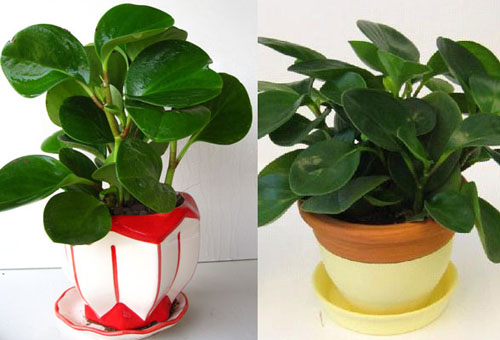
First, during the peak growing season, water thoroughly; especially in hot weather, water generously and mist the leaves to increase soil and air humidity and keep the foliage clean and emerald green. Peperomia thrives in more humid environments, with vivid, lively leaf color. But it also has fairly strong drought tolerance and can grow well in the dry conditions of the north.
Also, watering should keep the potting soil neither too wet nor too dry. During growth, spring and autumn are the peak growing seasons, so give a bit more water. In summer the weather is hot, but because of the high temperature the plant actually grows slowly; you can water once each in the morning and evening. High heat and humidity make stems and leaves prone to rot, so it depends on the weather and the potting soil. The potting soil should be kept slightly on the dry side, because its stems and leaves are thick and fleshy, and too much moisture easily causes root rot, especially in winter when low temperatures put it in a dormant state and the potting soil should be kept dry.
Through the above introduction, I believe you now have some understanding of how to grow potted Peperomia. So, what should you watch out for?
When growing potted Peperomia, pay attention to the following points:
(1) When the plant is about 10 cm tall, pinch off the growing tip to encourage side branches to sprout and make the plant fuller. Peperomia care and management is relatively simple; in summer it can be placed in a shaded spot with scattered light.
(2) Peperomia is robust, and cultivation and care are both fairly simple. In spring, summer and autumn it must be kept shaded, while in winter it can receive slanting sunlight. Its leaves are thick and covered with a waxy layer, with strong water storage and low transpiration, so even during the peak growing season it does not need much water. In dry spring weather and when indoor heating is strong in winter, raise the indoor air humidity and you can mist the leaves. In the muggy summer, improve ventilation, otherwise it easily drops leaves.
(3) In routine care, pay attention to moderate light and reasonable fertilizer and water. Peperomia likes a shady, cool and humid environment and grows better in scattered light. In spring and autumn the climate is mild and the sunlight is not too strong, so the pot can be placed outdoors. But in summer it must not be exposed to strong direct light, especially not placed where it gets the western sun, otherwise the branches and leaves will turn yellow. Therefore in summer, move the pot to a cool, shaded place such as a balcony or corridor, or keep it indoors, which both avoids the sun and decorates the interior.
(4) Peperomia is not frost-tolerant and should be moved indoors after late autumn. In the severe cold of winter, keep it as far as possible in a sunny spot by a south-facing window; it can overwinter safely at a room temperature of 5 °C. Fertilizer and water management are also very important. Generally, 2- to 3-year-old plants grow better, while plants over 3 years old gradually decline and should be considered for replacement. In addition, to keep the leaves emerald green, the plant needs to be replaced after 3 years.
The above is an introduction to how to grow potted Peperomia and what to watch out for, and I hope it is helpful to you.