How to Grow Cacti? A Gardening Expert Teaches You the Growing Methods
The cactus is an extremely common houseplant and has no special requirements when it comes to growing techniques, yet the cactus is highly useful: it absorbs carbon dioxide, produces oxygen, and also has certain medicinal uses. Today, let us introduce to you what the growing methods for cacti are.
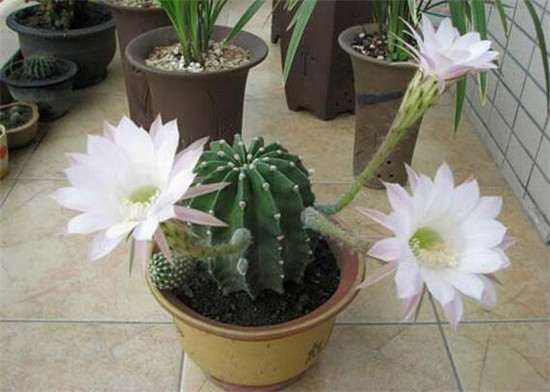
What Are the Growing Methods for Cacti?
1. Watering and Misting
Terrestrial cacti have distinct growth and dormancy periods. They need watering during the growth period, and little or even no watering during dormancy. For epiphytic types, if the winter temperature is kept above 12°C, you can water and mist year-round; if the winter temperature is kept below 12°C, reduce watering as appropriate and stop misting. When watering, follow this principle: "water thoroughly when dry, do not water when not dry." The water temperature should be as close as possible to the soil temperature. In summer, water early (before sunrise) and late (after sunset); in winter, water between 10 a.m. and 11 a.m. Also, pour the water directly onto the potting soil, otherwise it will affect the appearance of the spines. In addition, in summer, sprinkle water on the ground to increase air humidity.
2. Fertilizing
When fertilizing, follow this principle: timely, appropriate in amount, and suited to the plant. Fertilize in spring and autumn, once every 20 days, and choose a clear morning or evening. If the potting soil is fairly dry, sprinkle a little water on the potting soil before fertilizing; a concentration of 0.05%-0.2% is suitable. The next morning, water thoroughly once for an even better effect. Terrestrial types need fertilizer rich in potassium and phosphorus and low in nitrogen, while epiphytic types need more nitrogen fertilizer.
3. Light
Terrestrial types prefer ample sunlight, especially in winter when they need full sunlight. Generally, tall columnar and flat cacti tolerate intense light well and can be placed outdoors in summer without shading; smaller globe-shaped types prefer semi-shaded conditions in summer. During the hot summer months of June to August, cover the top growth point of a golden barrel cactus (Echinocactus grusonii) and the area around it with a round piece of plastic film so that all parts of the globe grow evenly. Epiphytic cacti, however, require semi-shaded conditions year-round.
4. Temperature
The suitable growing temperature for cacti is between 20-35°C. Terrestrial types do not require very high temperatures during winter dormancy; as long as the potting soil is kept dry, maintaining a temperature of 4-7°C is sufficient. Epiphytic types, however, require higher temperatures in winter, preferably 10-13°C or higher. When summer temperatures reach 30-35°C, most cacti slow their growth, and sometimes the stems of certain species turn yellow or get scorched. At this point, you must provide shade and sprinkle more water on the ground to lower the temperature.
5. Air
Most cacti and succulents originate from open desert areas with good ventilation and fresh air. Therefore, during the hot midsummer weather, you should do a good job of ventilating and cooling the growing area. Choose a growing greenhouse in a well-ventilated environment and install more ventilation openings such as windows and skylights so that hot weather can be vented and air exchanged. If necessary, you can also install equipment such as exhaust fans, blowers, or electric fans to strengthen air circulation in the environment and help cacti and succulents get through the summer safely.
6. Pests and Diseases
The pathogens that harm cacti and succulents include bacteria and fungi, but the problem is not very serious. As long as you improve the growing conditions, manage them properly, and combine prevention with elimination of pests and diseases, good results are easy to achieve.
The above are the growing methods for cacti. As you can see, the growing methods for cacti are very simple, and even lazy people can grow cacti, yet the uses of the cactus are not as ordinary as its appearance suggests. It really is a small plant with big uses.