Master the growth habits of spider plants and easily grow healthy, lush spider plants
The spider plant (Chlorophytum comosum) is a very common household potted plant. It can be seen everywhere in living rooms, hallways, and studies, which shows that spider plants are very easy to grow. Today, the editor will introduce the growth habits of spider plants and share tips on spider plant care and management, so you can grow healthy, lush spider plants.
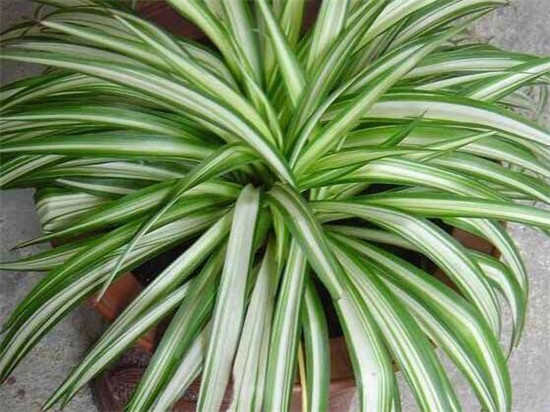
I. Introduction to the growth habits of spider plants
Spider plants like warm, humid, semi-shaded environments. They are highly adaptable, relatively drought-tolerant, and not very cold-tolerant. They are not picky about soil and grow best in well-drained, loose, fertile sandy soil. They are not strict about light and are generally suitable for growing under medium light conditions, and they also tolerate weak light. The optimal growth temperature is 15-25°C, and the overwintering temperature is 5°C. When the temperature is 20-24°C, they grow fastest and readily produce runners. Above 30°C, growth stops, and the leaves often turn yellow with dry tips. If the indoor temperature in winter is kept above 12°C, the plant can grow normally, sprout leaves, and bloom; if the temperature is too low, growth slows or the plant goes dormant; below 5°C, cold damage is likely to occur.
II. Spider plant care and management tips
1. Temperature control: Spider plants like a warm, humid climate and are not cold-tolerant. They grow fastest at 20-24°C. Above 30°C, growth stops, and the leaves easily turn yellow with dry tips.
2. Light regulation: When grown outdoors in summer, pay attention to shading so the light is not too strong; otherwise, sunscald is very likely to occur.
3. Water and fertilizer regulation: During the peak growing seasons in spring and autumn, watering should be sufficient. The potting soil should be kept moist regularly, and clean water close to room temperature should often be sprayed on the branches and leaves to prevent dry tips, but waterlogging must be avoided.
4. Pruning and repotting: As the plant grows larger, to maintain a good plant shape, old leaves at the base should be pruned frequently.
5. Pest control: When spider plants are densely clustered and ventilation is poor, they are prone to scale insect damage, so prevention should be the main approach.
The above introduction shows that spider plants do not have high requirements for their living environment, are highly adaptable, and are also very simple to care for. They will not waste too much of your energy on management. They are a great household plant!