Causes and Solutions for Yellowing Spider Plant Leaves
These days, many people keep some flowers and plants at home to decorate their living space, and the spider plant is one of the most popular choices. It not only looks attractive but also purifies the air. However, during the process of growing spider plants, yellowing leaves always seem to happen, and many people are troubled by this. So, what causes spider plant leaves to turn yellow? How should it be fixed? Below, the editors at Yihao Jiaju Network introduce it for everyone.
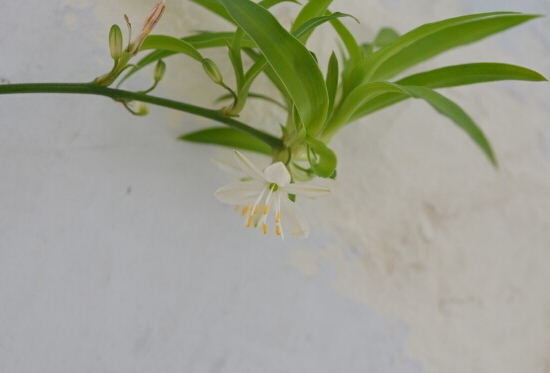
What causes yellowing spider plant leaves?
1. Over-fertilization, exceeding the plant's needs. After fertilizing, the leaves will appear glossy but uneven, and later, after part of the root system rots, the leaves turn yellow due to malnutrition. So at this point, you should stop fertilizing and water more, or turn over the pot and rinse the roots once; replacing the soil is also a very good option. It is clear that the soil solution concentration in the space matters a great deal.
2. The soil has not been turned over for a long time, and the soil has become compacted, after all the nutrient elements in the pot have been used up. The most important three elements, nitrogen, phosphorus and potassium, become deficient, causing the leaves to gradually turn yellow. At this point, you should replace the soil or promptly switch to fertile loam and water with alum fertilizer water.
3. The spider plant is a semi-shade flowering plant, but it still needs light, so you should ensure at least 4-5 hours of light every day. Otherwise, chlorophyll decreases and the leaves will also turn yellow. The best approach is to place it under an indoor incandescent lamp or keep it on a balcony.
How should yellowing spider plant leaves be fixed?
1. Yellowing spider plant leaves may be caused by too much fertilizer, exceeding the plant's needs. At first the leaves are glossy but uneven, then the root system rots and the leaves turn yellow. You should stop fertilizing, water with plenty of clean water, or turn over the pot to clean the roots and replace the soil with new soil.
2. Yellowing spider plant leaves may also be caused by not turning over the pot and changing the soil for a long time. The various nutrient elements contained in the potting soil have been used up, and the three key elements, nitrogen, phosphorus and potassium, have not been replenished in time; the plant lacks nutrients and the leaves show a yellow, thin appearance. You should promptly switch to fertile loam and water with alum fertilizer water.
3. Yellowing spider plant leaves may also be caused by insufficient light. Although the spider plant is a semi-shade flowering plant, it still needs at least four hours or more of diffused light every day, otherwise chlorophyll decreases and the leaves turn yellow.
4. The potting soil's air permeability and water permeability are not good, causing the potting soil to stay waterlogged and not dry out for a long time, making root respiration difficult, so the leaves naturally turn yellow. At this point, you should loosen the soil in time and control the water. Fifth, watering with a single pass that does not penetrate through for a long time. The spider plant's roots lose water, and the lower old leaves turn yellow. You should water thoroughly and keep the potting soil warm and moist.
These are the causes and solutions for yellowing spider plant leaves introduced by the editors. The editors remind everyone that although the spider plant is a plant with very strong vitality, they still hope everyone can take good care of their spider plants.