Pothos, the Formaldehyde Buster: How to Grow It and What to Watch Out For
As an evergreen climbing plant, pothos (Epipremnum aureum) is very well suited to being placed indoors, which is why it is so widely loved, especially by people who are keen on growing plants. There is a method to growing pothos, along with related precautions; handle them properly and pay attention, and you can grow a delightful green bonsai in a pot. This article will introduce them to you, and also tell you whether pothos can be placed in the bedroom.
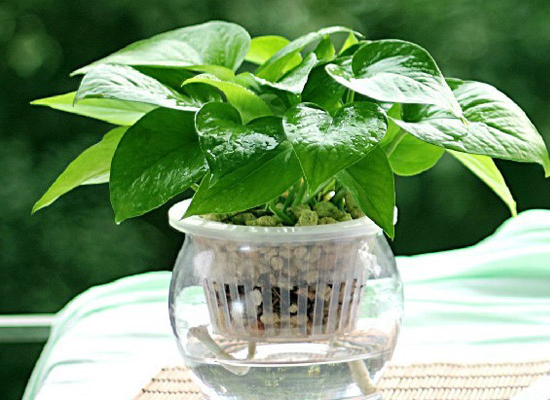
What kind of plant is pothos?
Pothos, also known as golden pothos and golden vine, is an evergreen perennial herbaceous plant. Pothos is a plant that grows in tropical regions, so to grow it here, great care must be taken with cultivation techniques, such as light, ambient humidity, orientation and so on.
Pothos growing methods and precautions
Among the growing methods for pothos, temperature deserves particular attention, because pothos originates from the Indonesian archipelago and likes warmth, so it is easier to grow in a milder-temperature environment. For potted pothos, the growing method should use fertile, loose, well-draining leaf mold soil, preferably slightly acidic. That way the potted plant will be much easier to grow. Pothos is a great helper for purifying the air and can absorb benzene, trichloroethylene, formaldehyde and so on from the air. In a newly renovated room, choosing pothos is simply the best option.
What makes the pothos growing method different from those for other plants is that, because it has aerial roots on its stem nodes, it is very easy to keep alive; propagation is generally done by cuttings. Its fastest growth stage is especially between 15°C and 25°C. The complete guide to growing pothos:
1. Change the water frequently. If you grow pothos hydroponically, changing the water frequently is very necessary, generally once every two to three days; the reason is that pothos has extremely high requirements for water quality, and adding nutrient solution is also a must so that the pothos can shine.
2. Suitable temperature. The temperature for pothos to get through winter safely is above 10°C. With a room temperature above 20°C, pothos can grow normally. Too great a temperature difference will affect the growth of pothos. At the same time, be careful that the leaves do not get close to heating equipment.
3. Choice of water quality. Use clean tap water or purified water to grow pothos; the correct choice of water quality matters, because it contains a large amount of minerals.
4. Root trimming work. For the roots of pothos, we need to clean them at intervals; once the root system has grown long, the roots need to be trimmed, and if there are rotten roots, cut them off, so that the pothos can absorb nutrients better.
5. Spray water on the pothos regularly. Pothos likes a warm and humid environment, so take note: spray water on the leaves of the pothos at set times to increase humidity; this is very beneficial to the growth of the pothos, and it can also serve to clean the leaves.
6. An appropriate amount of light. Every morning you can place the pothos on the balcony or in a spot with light to supplement its light for photosynthesis; only with sufficient scattered light will the leaves spread out and the leaf color be emerald green.
Can pothos be placed in the bedroom?
First, pothos is a plant with very strong photosynthesis. If a large number are placed in the bedroom, since the bedroom is not very well ventilated, it will inevitably compete with people for oxygen, which will affect sleep quality. A small number is still fine and can make the room look nicer.
This article has given you a detailed introduction to the growing methods and precautions for pothos, and I hope it has some reference value for you and that you can handle growing pothos with ease. In addition, it needs to be reminded once again that pothos should not be placed in the bedroom for a long time, so as not to affect sleep quality.