How to Water Aloe Vera: Solutions for Overwatering
Whether in an office or an ordinary home, people like to place a pot of aloe vera on their desk. Besides beautifying the indoor environment, a potted aloe vera has many uses, and the most widely known one is its care benefits. But do you know how to water aloe vera? And what should you do if you overwater it? Today, we will talk about this issue.
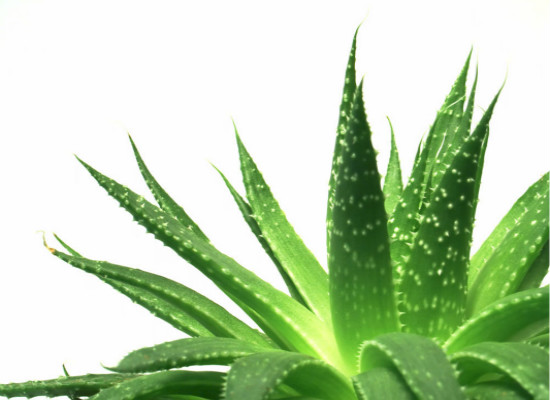
First, we need to know the basic facts about aloe vera. Aloe vera is originally a tropical plant and is naturally afraid of cold, but it is also an easy and hardy plant to grow. In spring, when the temperature is between 15-25°C, you can appropriately increase the frequency of watering, generally once every 5-7 days, following the principle of not watering when the soil is not dry and watering thoroughly when it is dry, so that the potting soil alternates between dry and moist. In summer, the temperature is higher and evaporation is greater, so it needs watering once every 2-3 days. In addition, you can spray water on the aloe leaves every morning and evening, which can keep the aloe leaves green and increase their ornamental value. In summer, potted aloe should also be kept out of prolonged strong sunlight to reduce water loss from the potting soil and the plant. In autumn, watering aloe is basically similar to spring; sometimes it is better to water less and replenish only after the potting soil lacks water, rather than leaving the potting soil in a state of excessive water saturation for a long time, which causes insufficient oxygen and breathing difficulty in the roots of potted aloe and leads to the death of the aloe plant. In winter, when room temperature is low, water as little as possible, generally once every 15-20 days; if needed, leaf spraying can be used to keep the potting soil appropriately dry, which helps the aloe plant survive the winter safely.
If aloe vera is overwatered, there are different solutions for different stages. If you accidentally overwater it in the early stage, you should immediately move the aloe to soil with suitable moisture, or take it out so the water can dissipate as quickly as possible. If, because you do not know the watering amount, you overwater for a long time and only discover it when the aloe starts to turn yellow or rot, then handling it is relatively troublesome. Brown patches or brown rotting areas on the aloe leaves are early symptoms of rot; at this point, stop watering and let it slowly recover. If there is no improvement after a few days or the spots enlarge, it means the roots have already started to rot, so handle it promptly: take out the plant and transplant it into dry soil. During transplanting, pay attention to the condition of the roots and be sure to remove the roots that have already rotted. If the leaves turn yellow or large areas rot and shrivel, you need to remove the rotten leaves and roots, then air-dry them in a dry place for one to two days, and replant them in new soil. After replanting, be careful not to water; you can spray a small amount of water on the soil so it is slightly moist.
Aloe vera is a very easy plant to grow, so you do not need to worry too much about failing to care for it. As long as you follow the watering methods described above, you can grow a healthy and vigorous aloe vera. We hope this introduction can help all of you!