What are the cultivation methods for Alocasia? Let us take you into the world of succulent plants
The Alocasia flower resembles a pagoda in shape, with pure white and beautiful bracts dotted with vivid yellow lip-shaped small flowers. When the plant is small, it is irresistibly adorable. Such succulent plants are deeply loved by consumers, and so they have moved from flower shops into many family backyards, becoming an ornament for the courtyard. So, what are the cultivation methods for Alocasia? Today, the editor will take you into the world of succulent plants.
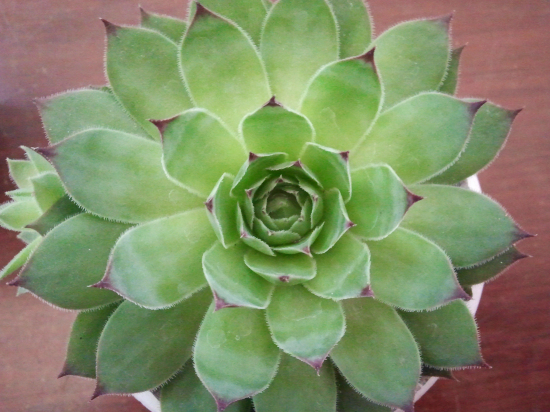
Alocasia is native to tropical regions of Asia and the Americas. There are about 60-70 species in the genus. Besides Alocasia, introduced and cultivated varieties include Alocasia macrorrhizos, Alocasia amazonica, and Alocasia cucullata. Its ecological habits are that it prefers a warm, humid, and semi-shaded growing environment. The optimal growing temperature is 20-30°C, and the overwintering temperature is 15°C.
Alocasia is commonly propagated by division. Generally, in spring and summer each year when temperatures are higher, the underground tubers with densely growing tillers are divided along the separation points of the tubers, so that each part has 2-3 plants, and then they are potted separately. When dividing, try to minimize root damage. After potting, place them in a shady and humid environment, keep the potting soil constantly moist, and pay attention to misting the leaves to help the new plants recover growth. Alternatively, in spring before new buds sprout, dig out the underground tubers, cut the tubers into sections, disinfect and preserve the wounds with plant ash or sulfur powder, let them dry slightly, then wrap them in sphagnum moss, or place them in loose, well-aerated and well-drained soil to allow them to grow adventitious roots and sprout new buds. During this period, absolutely avoid overly wet substrate to prevent tuber rot. This plant can also be propagated by sowing, but seeds are not easy to obtain.
For potted Alocasia, use loose, well-drained and well-aerated soil rich in humus. Generally, a mixture of equal parts leaf mold, garden soil, and river sand can be used as the substrate. April to September is its vigorous growth period. At this time, it requires moist soil and relatively high air humidity, and sufficient water should be provided. Especially during the high-temperature period in summer, leaf water evaporation is high, and the water requirement is greater. If water is lacking, the leaves are very likely to wilt, so the leaves must be misted frequently while keeping the environment humid, but water accumulation in the pot must be avoided, otherwise it will cause root rot. In autumn, when the temperature is below 15°C, Alocasia growth stalls and enters a dormant state, and the aboveground leaves begin to gradually wither. At this time, watering must be reduced as much as possible, and the plant should be placed in a warm, windless, and dry place, keeping the potting soil appropriately dry (only slightly moist) to help it overwinter safely. If humidity is high and the temperature is low, the tubers are very prone to rot.
Throughout the growing period, Alocasia requires semi-shaded conditions. If the light is too strong, the leaf color easily becomes dull and may even cause sunscald. However, if the light is too weak, it easily causes leggy growth, and the plant grows thin and tends to lodge. During the vigorous growth period, apply 1-2 times a month of dilute liquid fertilizer according to the plant's growth condition, and increase the application of phosphorus and potassium fertilizer to help the stems stand upright and grow robustly, while also helping the underground tubers grow plump and resist cold for overwintering.
The above are the cultivation methods for Alocasia, which can serve as your main reference for growing Alocasia in the future. Moreover, Alocasia has a compact and upright shape, with leaf veins as clear as a painting, full of poetic charm, making it a foliage plant with a unique style. Planting Alocasia in small or medium pots and using it to decorate a study, living room, bedroom, office, and other places makes it appear even more noble and elegant.