Detailed Guide to Growing and Caring for the Epiphyllum (Orchid Cactus)
Nowadays many people grow potted plants at home as decoration to enjoy with family while resting. As one of these potted plants, the epiphyllum (orchid cactus) is deeply loved by everyone for its delicate, graceful posture, brilliant colors and unique subtle fragrance. Liking it is one thing, but growing it requires attention to method. So what are the growing methods for the epiphyllum? What should be noted when growing it?
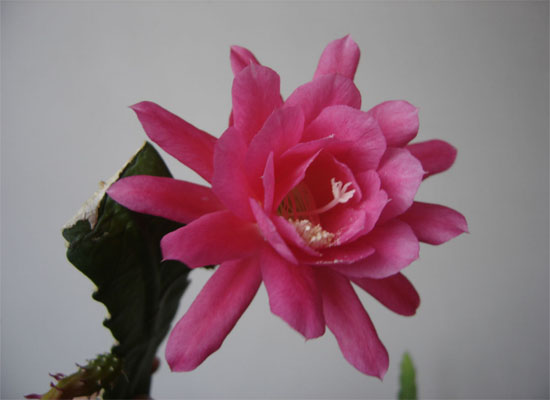
The epiphyllum, also known as peacock cactus, cactus arrow, lotus arrow, red peacock and lotus epiphyllum, originates from south-central Mexico as well as Bolivia, Peru and other places. It is a perennial succulent plant. The epiphyllum likes a warm, humid environment with plenty of sunlight, tolerates dryness but not cold. Below, the editor has compiled the relevant methods for everyone's reference.
Spring
During the growing season of the epiphyllum, pay attention to sufficient light and timely fertilization, applying a fertilizer combining nitrogen and phosphorus once every 10-15 days to promote robust growth of flowers and leaves. Avoid water accumulation in the pot to prevent root rot. Starting in April, flower buds emerge at the edges of the upper half of the fleshy leaves and gradually swell, blooming fully half a month later. If the plant lacks nutrients at this time and its growth is weak, it will not bloom or will bloom sparsely. To prevent this, apply 1-2 additional doses of quick-acting phosphorus fertilizer in advance. At the same time, remove excess lateral buds and branch buds at the base.
Summer
During the period of vigorous growth, promptly apply 1-2 top dressings mainly of nitrogen. This both promotes new branches and leaves and helps produce more buds and more flowers next spring. To increase the number of stem segments, take advantage of this favorable period to keep buds. In the high heat of midsummer, the epiphyllum enters a semi-dormant period; it should be placed in a ventilated, cool, semi-shaded spot, fertilization should stop, watering should not be excessive, and the pot soil should be kept slightly dry, avoiding excessive shade so as to prevent leggy growth that affects flowering.
Autumn
This is the second period of vigorous growth in the year; new leaves gradually age and mature. The management and care methods are basically the same as in spring and early summer from May to June, with 2-3 top dressings mainly of phosphorus and potassium fertilizer. Also increase the light exposure time.
Winter
After Frost's Descent, when the weather turns cold, it needs to be moved indoors for warmth, placed in a sunny spot indoors with the room temperature kept at 8°C. Stop fertilizing and control watering; it is best for the pot soil to be on the dry side, as excessive moisture will cause leaves to wilt, lodge and root rot. After spring, from mid-March to early April, as temperatures rise, gradually extend the time for opening windows for ventilation and hardening off, laying the foundation for later moving outdoors for care.
Repot the epiphyllum with fresh soil once every 1-2 years, which can be done in either spring or autumn.
The above is the editor's compilation of relevant methods for growing the epiphyllum, hoping to be helpful to everyone. Once you have mastered the methods for growing the epiphyllum through the four seasons of spring, summer, autumn and winter, it is only a matter of time before the epiphyllum blooms beautifully.