What are the medicinal value and side effects of purslane?
Purslane is a plant used both as medicine and as food. It can be eaten as a vegetable and also has certain medicinal value. However, because purslane has a very strong ability to grow, it generally grows in vegetable gardens, farm fields, and along roadsides, and is regarded as a common weed in the fields. So, what medicinal value does purslane have? Does it have side effects?
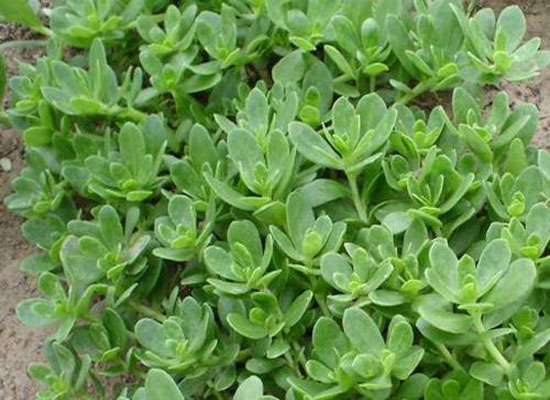
Purslane, Latin scientific name: Portulaca oleracea L., is an annual herbaceous plant of the family Portulacaceae. It is thick and succulent, hairless, 10-30 cm tall, and grows in sunny places such as field edges, roadsides, and abandoned garden sites.
Almost the entire purslane plant is useful:
1. Modern medicine has found that purslane has relatively high nutritional and medicinal value. In addition to containing conventional nutrients such as protein, vitamins, and minerals, purslane also contains unique bioactive components that can enhance the activity of human epithelial cells and help promote the healing of ulcers.
2. Purslane also contains unique antibacterial and anti-inflammatory components. In the past, when people lacked effective medicines, purslane was often used as a broad-spectrum antibiotic and played an important role in fighting epidemic diseases such as typhoid and malaria. At present, the pharmaceutical field has extracted its active components from purslane and made them into medicines such as tablets and injections, which are also widely used in clinical practice.
3. Medical scientists have also confirmed that purslane can lower the cholesterol content in the blood and has good preventive and therapeutic effects on cardiovascular and cerebrovascular diseases such as high blood pressure, coronary heart disease, and cerebral infarction.
However, behind the remarkable effects of purslane, there are also some side effects hidden, and these side effects should not be underestimated.
1. Purslane can induce miscarriage in pregnant women, because purslane is a cold-natured medicine and has the effect of promoting miscarriage. Therefore, pregnant women should not eat it.
2. If diarrhea is caused by the abdomen being exposed to cold, it is recommended not to eat purslane at this time. Do not eat it together with turtle shell, as there will be a conflicting effect. Many people pay special attention to this point when taking Chinese medicine.
3. When purslane is used excessively, it can cause numbness in the hands and feet and nausea. That is, when we use too much purslane, our hands and feet may become inflexible.
4. People with weak constitutions and weak spleen and stomach are advised to eat less to avoid some adverse conditions. When we eat purslane, it is best to choose white sugar. It is not suitable to add warm-natured brown sugar, as this hinders the exertion of purslane's effects.
Everything has advantages and disadvantages. Purslane is no exception. Therefore, when we eat purslane, we must clearly understand our own physical condition. Of course, it is best to listen to a doctor's advice.