How to care for a Brazilwood plant? Learn to grow a Brazilwood plant at home in 5 minutes
Nowadays, after finishing home renovations, many people choose to grow some potted plants at home. Some choose peonies, some choose lucky bamboo. Today, the editor will introduce the Brazilwood plant (Dracaena fragrans, also known as corn plant) to everyone. Brazilwood is a precious wood, and in Africa it symbolizes good wishes. So, how do you care for a Brazilwood plant? Let me explain it slowly.
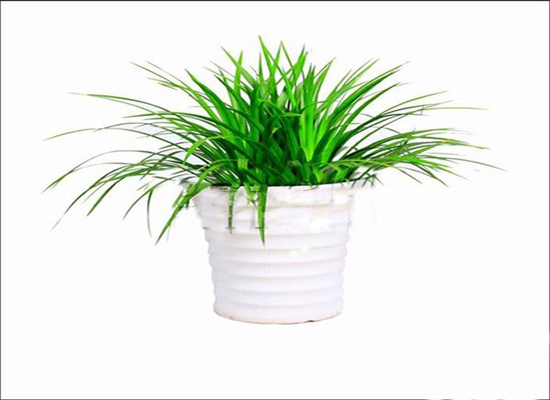
Growing methods
1. About soil and water
The soil for growing Brazilwood should not be alkaline; it is best to use leaf mold or peat soil, to which you can add one quarter river sand or perlite and a small amount of decomposed organic fertilizer. What benefits its growth is loose soil, reasonable drainage, and rich organic matter. In fact, Brazilwood in early spring has strong adaptability and is drought-resistant; even if it is not watered for many days, it will not dry out and die, unlike other plants that are so fragile. But if you want Brazilwood to grow fresh, green and lush, there must be a sufficient water supply. And Brazilwood must not lack water in summer, so friends please pay more attention.
2. About temperature and light
The temperature that Brazilwood can adapt to for growth is 20°C to 28°C, and in winter it is 5°C. Because too low a temperature will cause yellow-brown spots on the leaf tips and leaf margins of Brazilwood, and more seriously, the young branches or the whole plant will be frozen and damaged, so in the north, friends who grow Brazilwood all move it into a greenhouse to grow it. Although Brazilwood has a relatively wide range of adaptability to light, it is not tolerant of strong light, and we should pay attention to shading, so that too-strong light does not cause the leaves to turn yellow or scorch.
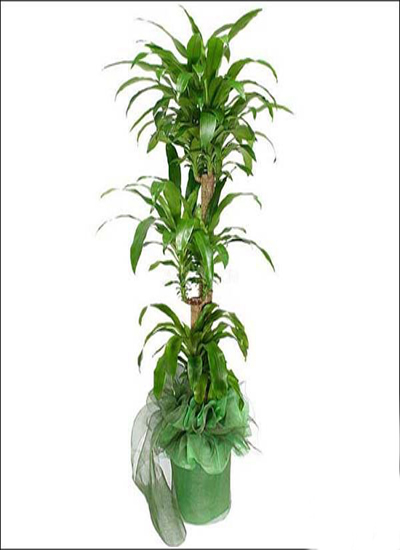
3. Points to note
The suitable growing temperature for Brazilwood is 20-30°C. In winter, it can survive the winter at above 10°C. When the temperature is too low, growth stops, and yellow-brown spots appear on the leaf tips and leaf margins. Brazilwood prefers shade and grows well in bright, scattered light. In summer, avoid direct light and place it in a cool spot. In autumn and winter, placing it in a sunny spot indoors is enough. When there is too little light, the leaves of Brazilwood will appear gray-green and the stripes will be unclear, and the basal leaves will turn yellow. In particular, variegated varieties kept under low-light conditions for a long time will have their colors become lighter or disappear, thereby losing their ornamental value.
Placing Brazilwood in the living room also carries an auspicious meaning. After reading the above introduction, I believe everyone already understands how to grow Brazilwood, right? It is better to act than to just think about it. Hurry and take a pot of Brazilwood home to grow.