Reasons for Yellowing Leaves on Spider Plants and How to Handle It
Many people now grow spider plants at home, but during the process their leaves suddenly turn yellow. So, what causes yellowing leaves on spider plants? How should you deal with it? Below, the editors at Yihao Jiaju Network introduce it for everyone.
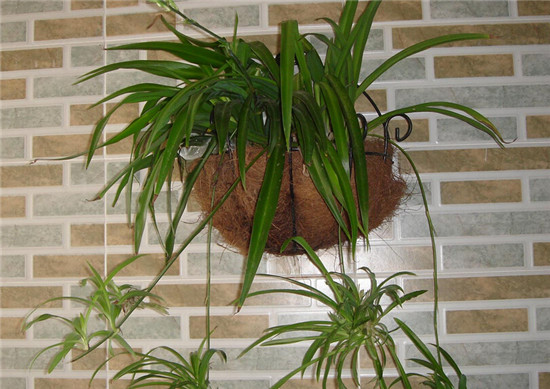
What causes yellowing leaves on spider plants? How should you deal with it?
1. Improper fertilizing: over-fertilizing causes yellow leaves. When fertilizing exceeds the plant's needs, the leaves are at first glossy but uneven, then the root system rots and the leaves turn yellow.
Handling method: stop fertilizing, water generously with plain water, or repot the plant, clean the roots, and replace with new soil.
2. Nutrient loss: the various nutrient elements contained in the potting soil have been used up, and the three key elements nitrogen, phosphorus and potassium have not been replenished in time. The plant lacks nutrients and the leaves become yellow and thin.
Handling method: promptly repot into fertile loam and water with alum fertilizer water.
3. Insufficient sunlight: although the spider plant is a semi-shade flower, it still needs at least four hours or more of diffused light every day, otherwise chlorophyll decreases and the leaves turn yellow.
Handling method: take some free time each day to place the spider plant in the sunlight for a few hours, but it must not be exposed to the sun for too long.
4. Poor air permeability and water permeability of the potting soil: the potting soil retains water and does not dry out for a long time, the roots have difficulty breathing, and this leads to yellowing leaves.
Handling method: promptly loosen the soil and control the moisture. Fifth, watering with an insufficient amount for a long time means the spider plant's roots lose water and the lower old leaves turn yellow. You should water thoroughly and keep the potting soil warm and moist.
When growing spider plants, everyone must take care of them attentively. In winter, keep them indoors, water once every four days, preferably at noon, and water thoroughly. The water temperature should ideally match the air temperature, which can prevent the roots from freezing. The room temperature must be between 15 and 20°C.