How to grow a lipstick plant? Learn the correct cultivation methods
Do you know the lipstick plant? Spider plants (chlorophytum) are divided into lipstick plant, string of pearls, variegated spider plant, and thousand-leaf spider plant, among others. The lipstick plant is one of these spider plants, and it gets its name from its distinctive shape. Now, please follow along with the editor as we take a look at an introduction to the lipstick plant and its cultivation methods.
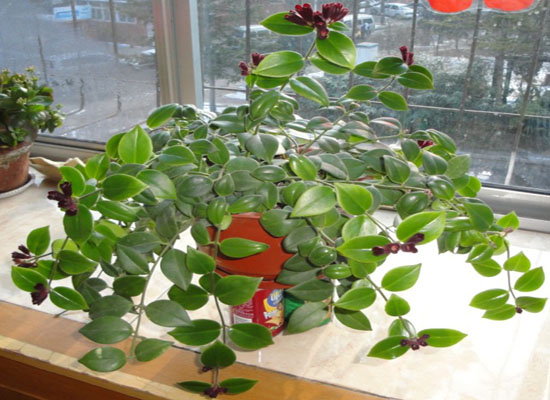
When does the lipstick plant bloom?
We have been discussing the flowering period of the lipstick plant above, so when exactly does the lipstick plant bloom? If the room temperature is suitable, the lipstick plant's flowering period will be concentrated from December to February of the following year. If the lipstick plant does not bloom at this time, it means the cultivation method must be wrong. It may be due to improper watering and fertilizing, or it could be lighting, temperature, pest invasion, and so on. In addition, during cultivation the lipstick plant may also show symptoms such as leaf drop, which is 70% likely due to a watering problem, and the lipstick plant should not be exposed to strong sunlight in this season, so it needs appropriate shade.
The benefits of the lipstick plant:
Besides being kept as a potted ornamental and purifying indoor air, the lipstick plant also has certain medicinal value:
1. Treating traumatic injuries: Grind dried whole lipstick plant into powder, take 9 grams per dose, soak in wine and take warm.
2. Treating swelling and pain from trauma: Mash lipstick plant leaves, fry them with wine until hot and apply to the affected area.
3. Treating wind-toxin nodules that persist without dispersing: Wash fresh whole lipstick plant with roots, mix with glutinous rice and a little table salt, mash and apply to the affected area.
4. Treating cough from lung heat: 30 grams of lipstick plant root, 30 grams of rock sugar, decoct in water and take.
Cultivation methods for the lipstick plant:
1. Suitable soil: For the lipstick plant, loose and fertile sandy loam is best, with good drainage required. For potted plants, slightly acidic soil is preferable; a potting mix made from peat soil, sand and vermiculite can be used, with an appropriate amount of superphosphate added.
2. Light: It prefers a semi-shaded environment. Throughout the year, except for the strong light at noon in midsummer, which should be appropriately shaded, it should be given sufficient light at other times, especially in winter. If the placement site has light that is too strong or insufficient, the leaves will easily turn pale green or yellow-green.
3. Temperature: The lipstick plant should be placed in a cool, ventilated spot, and attention should be paid to maintaining environmental humidity. Continuous high temperature and high humidity should be avoided; poor drainage and ventilation will cause rot. The lipstick plant is not cold-tolerant and needs to be brought indoors to overwinter in winter.
4. Watering frequency: The potting soil should be kept moist often, and waterlogging in the pot must be avoided to prevent root rot. From March to September, during the peak growth period, the water requirement is relatively large, so it needs frequent watering and misting to increase humidity; in autumn, as the weather gradually turns cool, the amount of watering and fertilizing should be gradually reduced. In winter, the potting soil should be slightly dry.
5. Pruning tips: When growth is vigorous, pinching back appropriately can promote branching. After the winter flowering period, the spent stems that have flowered should be pruned promptly, which can save nutrients, encourage new shoots, and help it produce more buds and flowers.
Precautions for the lipstick plant:
tips1: During the flowering period of the lipstick plant, less nitrogen fertilizer should be applied, indoor light intensity should be increased, and a relatively low room temperature should be maintained, which helps promote flowering.
tips2: After the winter flowering period, the spent stems that have flowered should be pruned promptly, which can save nutrients and encourage new shoots.
The lipstick plant is a relatively common flowering plant; placing it at home will bring some greenery to the household. After reading the above introduction, you should know the cultivation methods for the lipstick plant, so you might as well buy a few pots of spider plants to decorate your home.