What plants remove formaldehyde in a new home? Let us go through them one by one
For removing formaldehyde in a new home, there are many methods, and the plant method is one of the effective ones with very few side effects. Of course, not all plants have this function, and the formaldehyde-removing plants also differ in how effective they are. So, what plants remove formaldehyde in a new home? Follow this article for a "count of formaldehyde-removing plants for a new home, one by one."
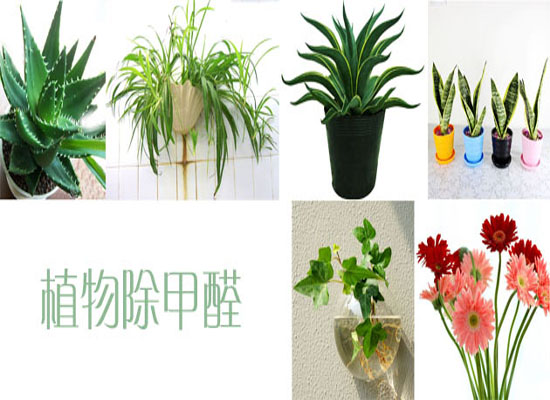
Through photosynthesis, plants absorb carbon dioxide from the air and release oxygen. In this process, toxic gases such as formaldehyde are also absorbed by certain plants, and the air is purified along with it.
1. Alocasia (Alocasia amazonica)
It has the effect of removing dust from the air. But be careful of the white toxic sap in the stem of the alocasia, to prevent harm to the human body.
2. African jasmine (Jasminum sambac)
The volatile oils it produces have a significant bactericidal effect.
3. Peace lily (Spathiphyllum)
It suppresses the waste gases exhaled by the human body, such as ammonia and acetone. At the same time, it can also filter benzene, trichloroethylene and formaldehyde from the air.
4. Maidenhair fern (Adiantum)
It can absorb about 20 micrograms of formaldehyde per hour, so it is considered the most effective biological "purifier." In addition, it can also suppress the xylene and toluene released from computer monitors and printers.
5. Spider plant (Chlorophytum comosum)
One pot of spider plant in a room of 8~10 sq m is equivalent to an air purifier. Generally, keeping 1~2 pots of spider plant in a room can release oxygen 24 hours a day while absorbing formaldehyde, styrene, carbon monoxide, carbon dioxide and other carcinogenic substances from the air. The spider plant has a particularly strong absorption capacity for certain harmful substances; for example, the carbon monoxide and formaldehyde mixed in the air can reach 95% and 85% respectively. The spider plant can also break down benzene and absorb relatively stable harmful substances such as nicotine in cigarette smoke. Therefore, the spider plant is also called the green purifier of indoor air.
6. Aloe (Aloe vera)
One pot of aloe is equivalent to nine biological air cleaners, and can absorb formaldehyde, carbon dioxide, sulfur dioxide, carbon monoxide and other harmful substances. It is especially strong at absorbing formaldehyde. Under 4 hours of light, one pot of aloe can eliminate 90% of the formaldehyde in one sq m of air, and can also kill harmful microorganisms in the air and adsorb dust, playing a great role in purifying the home environment.
7. Snake plant (Sansevieria trifasciata)
The snake plant has many varieties and strong adaptability, and it has a strong effect of absorbing formaldehyde and other harmful gases. Placing it in a new home makes it a good helper for purifying the air.
8. Pothos (Epipremnum aureum)
Pothos is a vine plant that can absorb toxic gases such as trichloroethylene and formaldehyde from the air, and is suitable for placing in a new home.
9. Chrysanthemum (Chrysanthemum)
The chrysanthemum is an herbaceous flower that can effectively break down two harmful substances, namely formaldehyde and xylene. These two harmful substances are extremely common in furniture; xylene is generally hidden in wallpaper and is greatly harmful to human kidneys.
10. Ivy (Hedera helix)
Ivy effectively removes formaldehyde and breaks down two harmful substances, namely the formaldehyde present in carpets, insulation materials and plywood, and the xylene hidden in wallpaper that is harmful to the kidneys.
Removing formaldehyde with plants is not only effective but can also decorate the home, truly killing two birds with one stone. However, we need to pay attention to changes in the formaldehyde-removing plants in a new home. If they show signs of withering, it means the indoor formaldehyde concentration is quite high, and it is time to add more plants or change methods.