Can Aloe polyphylla be grown in water? Complete guide to cultivation methods
In the wondrous natural world there are many truly remarkable plants, and Aloe polyphylla is one of them. Essentially this plant is no different from ordinary aloe, but its leaves are lush and arranged in a unique pattern, giving it a very distinctive appearance, which is why many people fall in love with it. Moreover, Aloe polyphylla has strong vitality and is actually not difficult to grow, so many people cultivate it. So can Aloe polyphylla be grown in water, and what exactly are the cultivation methods for Aloe polyphylla?
More houseplant cultivation: Peperomia obtusifolia cultivation methods, Lucky bamboo cultivation methods, Plectranthus australis cultivation methods
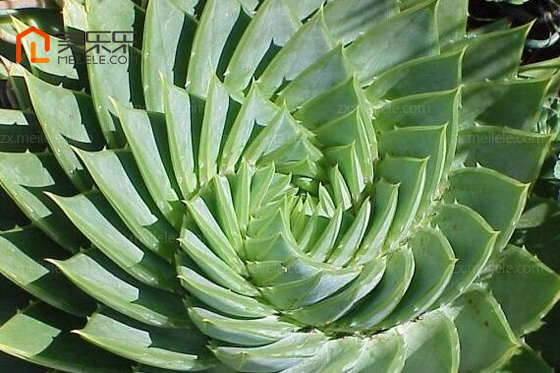
Aloe polyphylla profile
Aloe polyphylla is also known as spiral aloe or Solomon's jade crown. This plant is mainly native to South Africa and is a species of aloe endemic to the Drakensberg Mountains of Lesotho. Although it is an aloe, it differs from ordinary aloe. Take the leaves, for example: the leaves of Aloe polyphylla are triangular and arranged in a spiral, forming the shape of a round basin. At the same time, the leaf color of Aloe polyphylla shifts from green to yellow-green. It can bloom, with red flowers and white bracts, and has high ornamental value.
Can Aloe polyphylla be grown in water?
Much like ordinary aloe, Aloe polyphylla actually cannot be grown in water, even though its vitality is extremely tenacious. Aloe polyphylla needs moisture to grow, but at the same time it is a relatively drought-tolerant plant and is very afraid of waterlogging. Therefore, under normal circumstances, it is not recommended to grow Aloe polyphylla in water. Although it is highly adaptable to its environment, water conditions change greatly and quickly, and for a plant like aloe this is not a very good cultivation method, so it is advisable not to grow aloe in water.
Complete guide to Aloe polyphylla cultivation methods
1. Soil: Generally, Aloe polyphylla is very well suited to growing in loose, breathable soil with good drainage, so preparing an appropriate amount of sandy soil is best. Just be careful to avoid soil with poor drainage and poor aeration.
2. Light: Aloe polyphylla likes light, and ample sunlight is essential. During cultivation, place it in a sunny area to get more sun. However, note that newly planted Aloe polyphylla is still quite fragile and should be properly shaded rather than exposed directly to sunlight.
3. Temperature: Aloe polyphylla is highly adaptable and likes to grow in environments with extreme day-night temperature differences. It tolerates high temperatures and also adapts to low temperatures; it can withstand freezing without damage and can also endure high temperatures above 40 degrees, so there is nothing to watch out for regarding temperature.
4. Watering: Aloe polyphylla also needs an appropriate supply of water to grow, but like ordinary aloe plants, Aloe polyphylla is very afraid of waterlogging, because waterlogging can very likely damage the growth and development of the plant's root system, causing root rot and withering. Therefore, during daily cultivation, watering should be appropriate, watering when dry and stopping when wet, and it is best to keep the soil slightly dry.
5. Fertilizing: Aloe polyphylla has very low fertilizer requirements, but this does not mean it needs none. In addition to the necessary phosphorus and potassium fertilizer, an appropriate amount of trace elements can ferment organic fertilizer, making the plant grow more smoothly and rapidly.
6. Pest and disease control: Aloe polyphylla has quite a few pest and disease problems, such as anthracnose, brown spot disease, leaf blight, southern blight, and Fusarium crown rot, all of which are diseases that Aloe polyphylla commonly develops. Therefore, to keep the plant growing healthily, pest and disease control work is very important. Once pests or diseases appear, remove the diseased plants, then spray the leaf surfaces with 0.5-0.8 Bordeaux mixture of equal lime parts to prevent and inhibit the invasion and spread of pathogens. At the same time, Fusarium crown rot often threatens the plant, so during cultivation it is best to use carbendazim as a preventive measure.
Summary: Aloe polyphylla has strong vitality but is very afraid of waterlogging, so it is best not to choose water cultivation. With the usual soil method, just pay more attention to watering, fertilizing, and pest and disease control.
(Note: This article is original content from Meilele Decoration Network. Reproduction is prohibited without permission. Malicious reproduction will be pursued legally. If you like it, please share it.)
[You may be interested in]
☑ Zao Wou-Ki oil paintings ☑ Flame tree flower language ☑ Blinds prices ☑ Types of cotton fabric ☑ Plaid fabric
☑ Anti-radiation curtains ☑ Tumbler principle ☑ Cherry blossom flower language ☑ Lavender blooming period ☑ Begonia pictures