The cultivation methods and precautions for the Golden Pothos are all here
Golden Pothos - those hearing this name for the first time might mistake it for a metallic substance and never associate it with a plant. In fact, it is a shade-loving plant, and because of its unique internal composition, it can absorb various toxic gases indoors as nutrients, giving it an extremely powerful air-purifying ability. So after hearing about the benefits of the Golden Pothos, many people want to grow one. But what exactly are the cultivation methods and precautions for the Golden Pothos? Let's take a look together below.
More home plant cultivation: Strawberry Begonia cultivation methods, Money Tree cultivation methods, Fragrant Wood cultivation methods
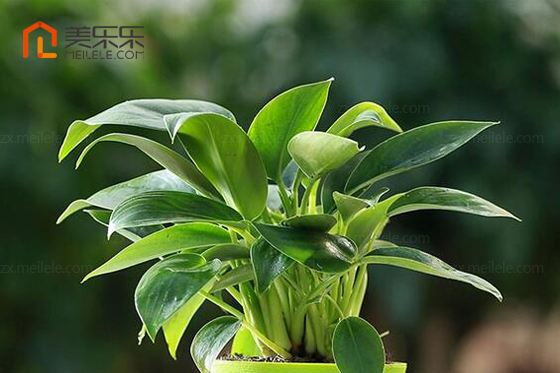
Golden Pothos profile introduction
The Golden Pothos, also known as Spring Taro, is a shade-loving plant of the genus Philodendron in the Araceae family. As a lush green plant, because of the uniqueness of its internal composition, it can absorb most toxic gases in the air, such as SO2, SO3 and NO, and the plant can turn these toxic gases into nutrients for its own growth, giving it a very strong air-purifying effect. Moreover, the Golden Pothos has broad, thick leaves that are emerald green and elegant, with excellent ornamental value, so it is currently a relatively popular indoor foliage plant in our lives.
Cultivation methods and precautions for the Golden Pothos
1. Temperature: The Golden Pothos is a typical shade-loving plant that loves a warm environment, has poor cold tolerance, and fears severe cold. The suitable temperature for growth is between 20 and 30 degrees, though the plant can begin growing at around 10 degrees. However, overwintering is not very smooth for the plant, and the indoor temperature must not be lower than 5 degrees, so keeping warm in winter is essential.
2. Light: The Golden Pothos is a shade-loving plant, meaning it likes to grow in a semi-shaded environment, and it dislikes strong light, which would otherwise burn its emerald green leaves. Therefore, in summer when the sunlight is harsh, it needs to be placed in a semi-shaded spot indoors, avoiding direct strong sunlight as much as possible. However, the plant still needs suitable light for growth, so it still needs some sun.
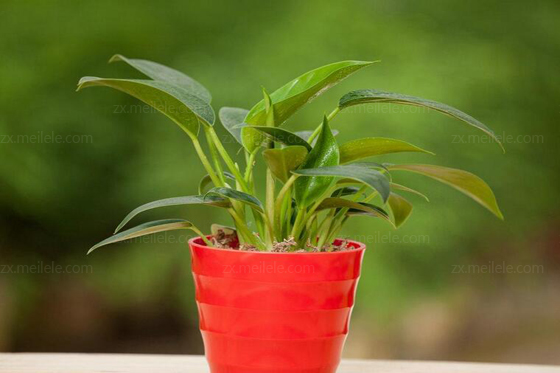
3. Soil: The Golden Pothos actually has low requirements for soil. Generally, a sandy loam rich in humus with good drainage is excellent soil for growing it. However, the Golden Pothos is rather unique in that it prefers slightly acidic soil. During cultivation, you can mix leaf mold, garden soil and river sand with an appropriate amount of oil residue as the growing medium.
4. Watering: The Golden Pothos needs plenty of water to grow and dislikes soil that is too dry, especially during the growing period when the soil needs to be kept moist frequently, so watering should be done often. In summer the environment is very dry. Although the temperature in a semi-shaded spot indoors is not very high, water still evaporates quite quickly. Besides watering more, you can also increase the air humidity.
5. Fertilizing: The Golden Pothos fairly likes fertilizer, especially during the peak growing season when its fertilizer demand is quite large, requiring fertilization 1 to 2 times per month. However, at this time note that the Golden Pothos does not like nitrogen fertilizer; if nitrogen fertilizer is applied, the plant tends to develop thin, weak leaf stalks. In addition, in other seasons, fertilize as little as possible to avoid excessive fertilizer.
6. Pest and disease control: Pest and disease problems in the Golden Pothos are generally caused by improper care or an unsuitable environment, so to prevent them, you need to address both aspects. Maintain a suitable growing environment, keep air humidity between 50 and 75 percent, keep the temperature at around 20 degrees, apply light fertilizer frequently, and so on.
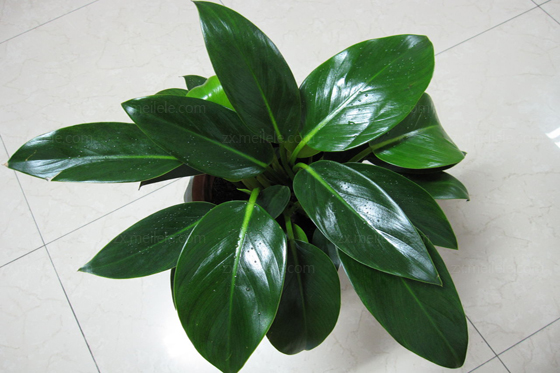
Summary: The Golden Pothos is an excellent indoor foliage plant with an extremely powerful air-purifying ability, so growing it indoors provides very good greening and purifying effects. If you like it, you can try growing one.
(Note: This article is an original article from Meilele Decoration Network. Reproduction is prohibited without permission. Malicious reproduction will be prosecuted according to law. If you like it, share it a lot.)
[You may be interested in]
☑ Azalea bonsai pictures ☑ What fabric is Tencel ☑ Black-and-white painting ☑ Making lanterns ☑ Flannel
☑ How is the DeRUCCI mattress ☑ The symbolic meaning of green bamboo ☑ Blackout cloth ☑ Mother-and-child quilt ☑ Batik painting