How to Grow a Rubber Plant? Care Methods for a Great Houseplant
The rubber plant (Ficus elastica) is a common houseplant that can be seen in homes, offices and other places. With its lush green leaves, its ability to purify the air and its ornamental value, it is an excellent green plant. Next, let us introduce how to grow a rubber plant.
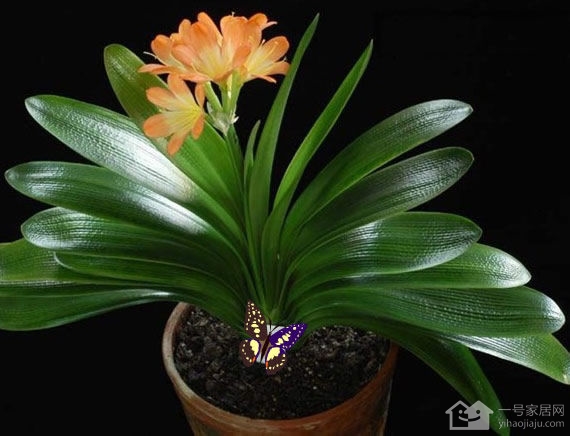
What Is a Rubber Plant
The rubber plant's leaves are thick and gorgeous, broad, attractive and glossy; the red tip resembles a floating cloud and has a distinctive phoenix-like charm. The rubber plant has high ornamental value and is a famous potted foliage plant. It is extremely suitable for indoor beautification arrangements. Small and medium-sized plants are often used to beautify living rooms and studies; medium and large plants are suitable for placing on both sides of the entrance hall of large buildings and in the center of the lobby, appearing majestic and magnificent, and can evoke a tropical atmosphere.
The Benefits of a Rubber Plant
The rubber plant has a unique ability to purify dust, and can also purify formaldehyde from volatile organic compounds. The rubber plant can also absorb carbon monoxide, carbon dioxide and hydrogen fluoride from the air, purifying it. The rubber plant likes sunny places, which ensures vigorous photosynthesis and transpiration. For offices with a lot of dust, it is best placed by the window. The rubber plant is not cold-tolerant, so in winter do not place it in a low-temperature spot. Repot once every 2 to 3 years.
How to Grow a Rubber Plant
1. The rubber plant grows quickly and adapts well. Normally, simple watering and fertilizing is enough; no special management is needed.
2. Cultivation technique: Not much skill is required. For potting, use 1 part leaf mold, 1 part garden soil and 1 part river sand, add a small amount of base fertilizer, and mix into potting soil for planting.
3. Temperature and sunlight: Simply keep the soil slightly dry or slightly moist. In summer, due to the high temperatures, water is easily lost, so you can water more.
4. Regular "haircuts": To make the plant grow evenly, look more attractive and maintain a good shape, no matter how busy you are, you should still take a little time to prune it.
5. Disease prevention: The common disease is anthracnose, which mainly occurs in the hot summer season. The leaves are affected, and round or oval gray spots appear on both sides of the leaf veins. Solution: Combine with pruning, remove diseased branches, diseased leaves and withered tips to reduce the pathogen source, pay attention to ventilation and light, and spray 1% Bordeaux mixture.
The above is our introduction to how to grow a rubber plant. In fact, the rubber plant is not difficult to grow. Friends who want to grow one can read this carefully; plants need careful care to thrive.