Spider Plant Transplanting Methods: First Select the Plant, Then Follow the Steps
Spider plants have a high survival rate and grow quickly, so transplanting spider plants often becomes a routine task in home cultivation. So what are the spider plant transplanting methods? This article introduces the transplanting methods for hydroponic spider plants and soil-cultured spider plants respectively, for the reference of friends who need to divide spider plant pots or newly grow spider plants.
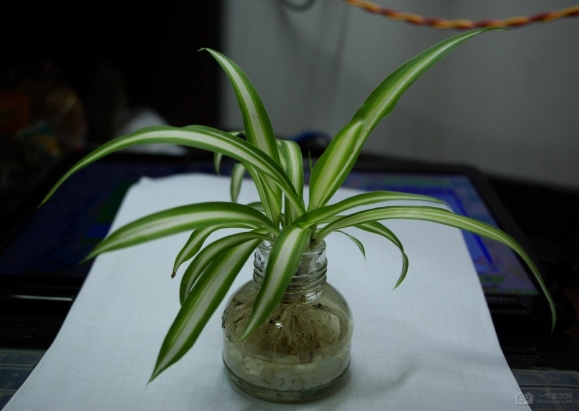
Whether you have been growing a spider plant for a while and need to repot or divide it, or you are newly growing a spider plant, the step of transplanting spider plants is indispensable.
I. Transplanting Hydroponic Spider Plants
1. For hydroponic spider plants, it is best to choose plants grown from aerial roots on stolons ("runners") for planting, because the aerial roots on the stolons are very suitable for the hydroponic environment and are also easy to manage; roots can sprout in about 5 days in water. When growing spider plants hydroponically, it is advisable to choose green-leaved varieties; the variegated spider plant is relatively difficult to handle.
2. The container bottle can be single-layer or double-layer. A single-layer bottle is a bottomless plastic bottle or bottomless ceramic bottle used to plant the spider plant. For a double-layer bottle, use a plastic sieve as the upper layer, and the lower layer is a bottomless bottle container; plant the spider plant in the upper plastic sieve and let the spider plant roots hang down into the bottle.
3. Remove the potted or ground-planted spider plant from its pot or dig it up from the ground, remove the soil from its roots, wash its roots with clean water, cut off old roots and rotten roots, keep the fibrous roots, cut off some leaves, and keep healthy leaves, generally keeping 6 to 10 leaves.
4. For the single-layer bottle planting method, insert the prepared spider plant into the bottle, tightly secure the bottle mouth with sponge and insert a plastic straw, which is used for supplying water. Let the spider plant stand upright, put clean water and flower nutrient solution into the bottle, and let the spider plant roots grow submerged in the water.
5. The double-layer bottle cultivation method is to plant the spider plant on the plastic sieve, with the roots passing through the small holes of the plastic sieve into the lower bottle; put ceramic material or pebbles into the sieve, let the spider plant stand upright, and put clean water and flower nutrient solution into the lower bottle. After planting is complete, place the spider plant indoors or in a cool place for management.
II. Transplanting Soil-Cultured Spider Plants
1. To transplant a new shoot of a spider plant, you first need a main plant that is growing vigorously and has grown many branches. Prepare a pair of scissors, a flower pot, soil, use a shovel to break up the soil, and an appropriate amount of water.
2. Using scissors, cut off the vigorously growing new shoot from the stem of the new shoot. It is best if it has roots, because then the survival rate is relatively high.
3. Soil preparation. If it is only soil, it is very easy to become compacted. It is recommended to add a small amount of sandy soil before use, not too much; about three handfuls is enough. Add nearly half a pot of soil to the flower pot, add some water (flower pots generally have small holes at the bottom; if your soil is particularly fine, it is recommended to place a very thin piece of paper at the very bottom, or put the larger clumps of soil at the very bottom).
4. After adding a little more soil, hold the spider plant with your hand, slowly add soil around the edges until it is almost level with the surface of the flower pot. Then add some more water. Remember to water frequently.
Spider plants are very easy to keep alive. As long as the method is right, under normal circumstances, whether hydroponic or soil-cultured, the transplant success rate is quite high. Interested friends might as well give it a try.