What to Do When Lucky Bamboo Leaves Turn Yellow? 9 Major Causes and Targeted Remedies
What to do when lucky bamboo leaves turn yellow? Yellowing leaves are a very common situation in plants, and there are many reasons that cause it. As growers, we need to observe carefully and judge accurately so we can apply the right remedy and truly solve the problem.
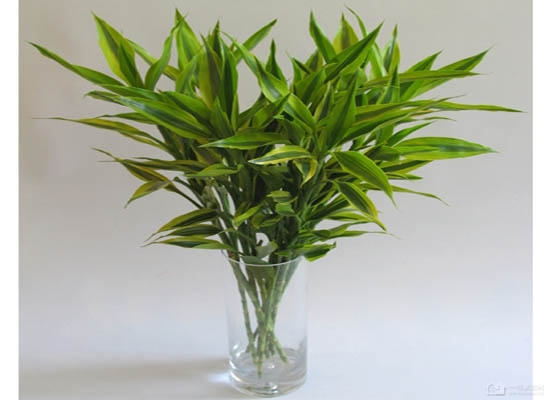
It is said that there are many causes of yellowing leaves in lucky bamboo, and even the same cause must be distinguished by different situations: for example, with water issues, it may be caused by insufficient water, or it may be caused by overwatering. This requires us to observe carefully.
First, overwatering
Common symptoms include: young leaves turning dull yellow and losing their luster, while old leaves show no obvious change, and new shoots shrink and stop growing. At this point, simply take the plant out of its pot, let it dry in a cool, shady place, and then put it back in the pot.
Second, insufficient watering
The yellowing caused by insufficient watering looks completely different from the yellowing caused by lack of water. Yellowing due to water shortage mainly shows as withered leaf tips or edges, but new leaves grow very normally. At this point, you only need to water directly, but be sure to water thoroughly.
Third, strong sunlight exposure
Lucky bamboo is a shade-loving plant. If strong light shines directly on it, it will also cause yellowing, specifically showing as withered leaf tips or edges. At this point, just move it to a shady place.
Fourth, lack of light
Plant growth cannot be separated from light. If lucky bamboo is placed in a hidden spot for a long time, the leaves cannot get enough sunlight, cannot form chlorophyll, and will turn yellow and then fall off. At this point, just place it in the sunlight.
Fifth, overfertilizing
This is a very common situation. It mainly shows as dry brown tips on new leaves, leaf surfaces that generally appear thick and lusterless with a cramped, uneven look, while old leaves turn scorched yellow and fall off. At this point, stop fertilizing immediately and rinse with clean water.
Sixth, insufficient fertilizer
Insufficient fertilizer leads to inadequate nutrients and can also cause leaves to turn yellow. It mainly shows as young leaves becoming paler in color, appearing yellow or light green rather than green; old leaves generally show no major change at this point. At this point, check the potting soil. If there is dry, compacted soil, it needs to be replaced. When fertilizing, note that you should apply light fertilizer frequently and water with some alum water at the appropriate time.
Seventh, being placed next to TVs, refrigerators, and similar appliances
If lucky bamboo is placed near appliances such as TVs and air conditioners, it will very easily cause yellowing at the leaf edges and so on. At this point, you only need to move it away and place it in a suitable spot, and it will grow very well.
Eighth, improper shaping
Lucky bamboo tends to grow in clumps, so when changing the pot and adding soil, pay attention to pruning old and damaged fibrous roots and thinning out excess stems and leaves, so as to avoid excessive nutrient consumption and to protect the roots and leaves. If shaping is neglected, it can also easily cause leaves to turn yellow.
Ninth, water quality
If lucky bamboo is grown in water and its leaves turn yellow, you might first check the water quality. The main thing is to see whether its roots are fresh. If the roots have rotted, cut off the rotten roots and replace the water with cooled boiled water.
In fact, the causes of yellowing leaves in lucky bamboo may be one, or they may be several. No matter how many causes there are, as long as a problem appears, we need to deal with it promptly and appropriately.