Hydrangea Growing Tips: Clusters of Blooms That Everyone Loves
Hydrangea, also known as florist's hydrangea, is a highly ornamental plant available in many colors, including red, white, blue and pink. Hydrangeas usually bloom from June to July, charming and lovely, with dense, spreading branches and leaves. Do you like such a beautiful and lovely hydrangea? Now let us introduce hydrangea growing!
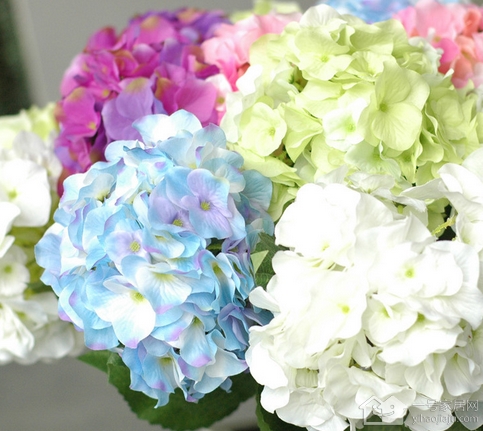
Growing Hydrangeas
Hydrangeas like fertilizer. During the growing period, generally apply once every 15 days a thin, decomposed cake fertilizer solution. To maintain the acidity of the soil, 1%-3% ferrous sulfate can be added to the fertilizer solution and applied. Regular watering with alum fertilizer water can make the plant's branches lush and leaves green; applying 1-2 additional doses of potassium dihydrogen phosphate during the bud stage can make the flowers large and brightly colored; applying cake fertilizer should be avoided during the dog days to prevent pests and diseases and damage to the root system.
Hydrangea leaves are thick and large, with lush branches and leaves, and require a lot of water. In the growing seasons of spring, summer and autumn, water thoroughly so the potting soil stays consistently moist. In summer, when the weather is hot and evaporation is high, in addition to watering thoroughly, also spray water on the leaves every day. The roots of hydrangea are fleshy roots, so watering must not be excessive, and waterlogging in the pot is taboo, otherwise the roots will rot. After September, as the weather gradually turns cooler, gradually reduce the amount of watering. Before Frost's Descent, move it indoors, and the room temperature should be kept at around 4°C. Before bringing it indoors, remove the leaves to prevent leaf rot. In winter, the plant should be placed in a sunny spot indoors, and it is best to move it outside after Grain Rain the following year. Hydrangea management is relatively simple, with few pests and diseases, making it an ideal potted flower that is relatively easy to manage and cultivate.
Hydrangeas like semi-shade and moist environments, and are not very cold-tolerant. In the intense heat of summer, avoid direct sun exposure, otherwise the leaves easily scorch, dry and turn yellow; they are not suited to being overly dry, and grow best in light loam rich in humus, moist and well-drained. Branches and leaves are prone to wilting and withering after frost; when cultivated in the open ground, the aboveground part dies in winter, and the following year new shoots sprout from the rhizome and bloom again. If overwintered in pots in a greenhouse, it can remain evergreen.
Key Points of Care and Management Through the Four Seasons
Spring: For potted plants, prune dead branches and repot with fresh soil; after the plant has settled in, apply one or two dilute liquid fertilizers mainly based on nitrogen fertilizer, which can promote the sprouting of branches and leaves.
Summer and autumn: Place in a semi-shaded spot or under a shade frame to prevent direct sun exposure and avoid the leaves turning yellow and scorching. Apply one or two additional fertilizer dressings before and after flowering to promote green leaves and abundant blooms. After the flowers fade, promptly remove the flower stalks to keep the shape attractive. Keep the potting soil consistently moist, but prevent water accumulation after rain, to prevent the fleshy roots of the hydrangea from rotting due to excessive water.
Winter: After the beginning of winter, plants grown in the open ground should be earthed up around the base to keep warm so they can overwinter safely; potted plants can be placed in a warm spot facing south and sunny, free from cold wind. In winter, although the leaves fall off, the roots and branches remain alive, and new leaves will sprout again the following spring.
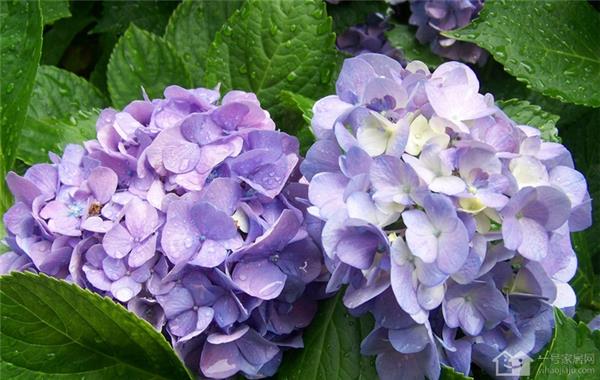
That is all we have introduced about growing hydrangeas. Have you learned it? Growing hydrangeas lets you enjoy such beautiful and charming clusters of blooms, but the growing process is also not easy, and there are points to pay attention to in different seasons. We hope this article can help you.