Good environment, good feng shui, good fortune: How to propagate the Radermachera sinica
The "Radermachera sinica" is botanically known as Radermachera sinica (China doll). It thrives in high-temperature, humid environments with plenty of sunlight. It tolerates high temperatures, fears cold, prefers moisture, and dislikes dryness. It is an excellent foliage and flowering plant, and it also carries an auspicious meaning, so many people choose to grow it in home courtyards or as potted plants placed in living rooms and other spots. So how do you grow a Radermachera sinica? Next, the editor will walk you through the propagation methods for the Radermachera sinica.
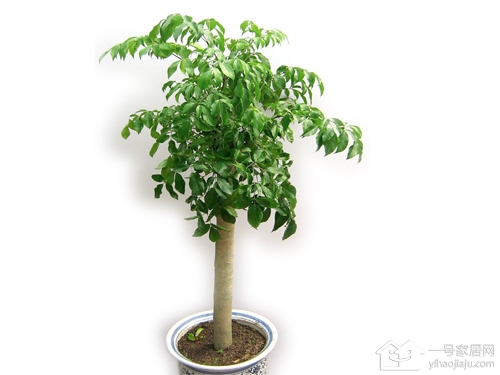
Propagation methods for the Radermachera sinica:
1. Air layering propagation method for the Radermachera sinica:
Air layering can be done between March and April. On a robust 2-year-old branch or stem, perform girdling below a node. The girdling width is generally 2 to 3 times the diameter of the layered stem. Below the girdled cut, tie a piece of 15 cm x 20 cm plastic film. Using clean, moist peat soil or sandy loam, pinch a ball of soil 8 cm to 10 cm in diameter around the girdled area. Then, wrap the soil ball with the plastic film, leave an opening at the top for watering, and tie it against a thick main trunk to prevent it from drooping and breaking in the wind. By late autumn, once the girdled cut has grown a relatively well-developed root system, cut it away from the mother plant and pot it separately.
2. Cutting propagation method for the Radermachera sinica:
Cutting propagation is generally carried out between March and April. When the ambient temperature reaches about 15°C, cut 1- to 2-year-old woody branches, about 15 cm to 20 cm long, remove all leaves, and make the bottom cut preferably 0.5 cm below a node. Insert them into a sandy loam seedling bed, with the cuttings buried about 1/3 to 1/2 of their length. During the period when the bottom cut is healing and rooting, spray water to keep the seedling bed moist. After a well-developed root system has grown, transplant them into pots with a soil ball. It is best to plant 2 to 3 together, so they can take shape and be sold earlier.
3. Seed propagation method for the Radermachera sinica:
Seed propagation is often done at the end of December. When the capsules are nearly splitting and the seeds are fully mature, harvest the long strip-shaped capsules. After drying, shake out the winged seeds, rub them, and winnow away the membranous seed-wing fragments, then store them dry until sowing the following spring. Alternatively, soak them for 2 to 3 hours, mix them with moist sand, spread them thinly in a large plastic basin inside a greenhouse, keep the seeds and sand moist, and check frequently to prevent mold. Sow them in the ground after the seeds germinate. For dry-stored seeds, between March and April, first soak them for 3 to 4 hours, take them out and spread them to air briefly, then mix them with sandy soil and scatter them on a prepared seedling bed. Lightly cover with a thin layer of soil, cover with plastic film to retain moisture, and after the seeds sprout, remove the film and set up a light shade frame for shading. When they grow 2 to 3 true leaves, transplant them at wider spacing with a soil ball. Alternatively, when they grow 4 to 5 large leaves, pot them or grow them in bags.
The Radermachera sinica is a plant many people like. Its flowers are beautiful, its flowering period is long, its tree form is elegant, and it carries an auspicious meaning. For cultivation, use loose, fertile, well-drained loam and sandy loam rich in organic matter. Grown at home, it can both beautify the home and bring relatively good feng shui fortune.