How to propagate Alocasia? With the right method, the flowers stay clean and the leaves green
As a common household potted plant, Alocasia is ornamental, with large, emerald-green leaves and elegant, beautiful flowers, so many families choose Alocasia for home decoration. Do you want to grow Alocasia? Below, the editor will introduce the cultivation methods for Alocasia. Let's take a look.
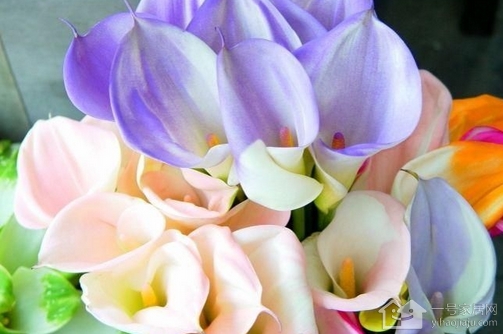
Propagation methods for Alocasia:
1. Seed sowing method
Wild or field-grown Alocasia often produces seeds, which can be sown in rows or in holes in the open ground, and transplanted after emergence.
2. Stem cutting method
The stem of Alocasia is very well developed. For plants grown for many years, a section of stem about 10 cm long can be cut in spring as a cutting, and planted directly in potting soil or inserted into a cutting bed. After it grows 3-4 true leaves, transplant it into the field.
3. Division method
During the growing season, many young plantlets often emerge from the base of Alocasia. When they grow slightly larger (3-4 true leaves), they can be dug out and planted as new plants.
4. Bulb method
Dig out the small bulbs that naturally separate from the roots of Alocasia and grade them, generally into two grades: above 2 grams is grade 1, below 2 grams is grade 2. Before sowing, plow and level the ground, and make a sunny raised bed 1 m wide and 20-30 m long for sowing. Sowing density: for grade 1 seed, the row spacing is 20 cm and the plant spacing is 8 cm; for grade 2 seed, the row spacing can be appropriately reduced. When sowing, ditches need to be opened on the prepared bed surface for directional sowing. The sowing depth is 4-5 cm, then cover with soil, level it, and water. After watering, spray herbicide promptly. Generally, 100-150 ml of 33% pendimethalin EC is used per mu, mixed with 60-75 kg of water, and evenly sprayed on the bed surface with a sprayer. Finally, shade with a sunshade net, opening it in the morning and evening and covering it during the day. Remove the sunshade net immediately after emergence.
5. Tissue culture method
Callus can be produced through leaves, petioles, roots and inflorescences, and then adventitious buds can be induced for rapid propagation. Cut off leaves, petioles, etc., sterilize with 0.1% mercury solution for 10 minutes, rinse several times with sterile water, cut into small pieces of 1-2 sq cm, and inoculate onto N6 + 1 mg/L 2,4-D + 4% sucrose agar medium. The culture room temperature is 28±2°C. After 20 days, spherical callus appears on the cut edges of the explants. After 2 months, the callus grows larger. At this time, transfer the callus to N6 + naphthaleneacetic acid 0.2 mg/L + cytokinin 0.5 mg/L agar medium for the best bud differentiation. Hormone-free medium can also differentiate into seedlings. After 2 months of culture, callus of 0.6-0.8 cm can differentiate an average of 10 plantlets; after 3 months, it can differentiate more than 30 young plantlets. If the culture period is slightly extended, the young plantlets can take root.
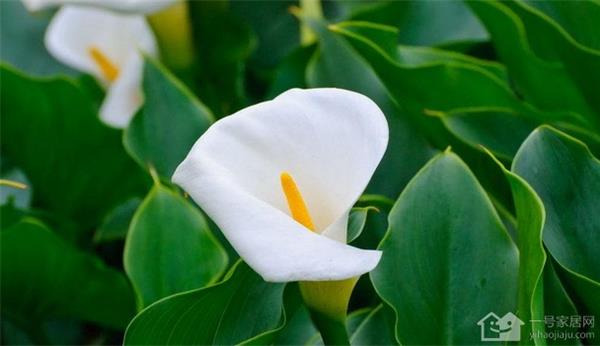
The above are the methods for cultivating Alocasia introduced by the editor. Alocasia is beautiful and elegant, and is a good choice for home decoration. If you also like Alocasia, you might as well grow a clump according to the content above. I hope this article can help you.