Indoor Areca Palm Growing Methods and Common Diseases
Influenced by green design, many modern people like to add a few plants to their homes; these plants serve as decoration and also make the home more lively. Among the many plant species, growing the areca palm is the choice of many friends.
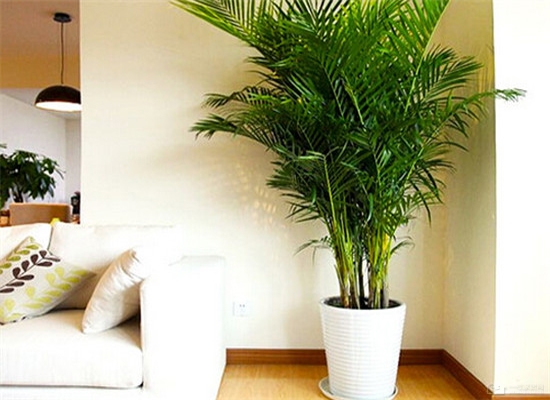
The most common diseases in the growing and care of the areca palm are three: leaf blight, root rot and pest infestation. When these diseases occur, how should they be handled?
1. Leaf Blight
Areca palm leaf blight is a common disease caused by fungal infection and has a great impact on the growth of the areca palm; in mild cases it causes the leaves to dry up, and in severe cases it leads to the death of the entire plant.
1. Symptoms: The pathogen first infects the leaf tip and leaf margin. In the early stage of the disease, the infected areas appear as brown spots or strip-like patches; in the middle stage, the spots or patches gradually expand and connect with each other; in the late stage, the leaves appear grayish-white and dry.
2. Disease pattern: The pathogenic fungus overwinters on diseased plants or in the soil, and its conidia are spread by wind, rain and spray watering; the fungus invades through wounds on the plant. High temperature, high humidity and poorly ventilated environments make the plant prone to this disease.
3. Control methods: Strengthen disease inspection and do not introduce diseased plants; improve ventilation and avoid rain and spray watering during the disease period; promptly cut off the affected branches and leaves to stop further infection, and after pruning apply Dacotech ointment to the wounds; if disease occurs, spray with 70% thiophanate-methyl 800 times solution or 75% chlorothalonil 1000 times solution, spraying once every 7-10 days for 3 to 4 consecutive times, which can effectively control the disease.
2. Root Rot
1. Overly wet potting soil is one cause of areca palm root rot. You should know that it is not the case that as long as there is water in the potting soil, the plant can absorb and use it. When the potting soil is too wet, it affects the respiration of the plant roots, thereby affecting the root system's absorption of water, and at the same time causes a water deficiency within the plant, resulting in scorched tips and scorched edges of the leaves.
2. Overly concentrated fertilizer. Overly concentrated fertilizer causes reverse osmosis in the plant root cells, making the plant lose water; in mild cases it leads to scorched tips and scorched edges of the leaves, and in severe cases it causes root rot and death.
3. Pest Infestation
The main pest of the areca palm is: the citrus parlatoria scale.
Damage characteristics: 1-2 generations occur per year. Adults and nymphs attach to the leaves and leaf stalks and suck the sap, affecting the growth of the plant.
Control methods: When a small number of insects are found, they should be scraped off promptly. When the infestation is relatively large, spray 50% isocarbophos emulsifiable concentrate 800 times solution. Spraying 2-3 times is appropriate.
Friends whose indoor areca palms have shown the above phenomena do not need to worry too much; after reading this article you can treat the problem accordingly, and proper handling will keep your home areca palm in good condition.