Can Aloe Vera Survive in Water? Hydroponics Is Not the Best Way to Grow It
People have always grown aloe vera in soil, but many plants can grow not only in soil but also in water, and aloe vera can also grow well in water. So, can aloe vera survive in water? Some people want to try this method.
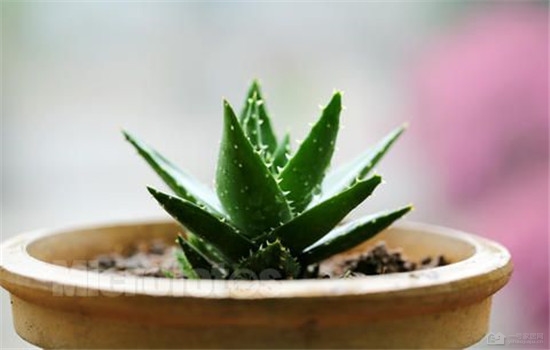
Aloe vera is still better grown in soil; soil has good air permeability, and its water and fertilizer retention are both better than hydroponic growing.
Cultivation and care of aloe vera:
1. Temperature and light Aloe vera mostly loves light, so it is best placed outdoors in a ventilated spot with good light, but in the hot summer it should be shaded appropriately, and in winter it can safely overwinter if placed in a sunny spot above 5°C.
2. Watering Aloe vera fears long-term waterlogging most; if the soil is too wet, the roots rot and die from lack of oxygen. Normally, mist the leaves or sprinkle water to keep them slightly moist, and water when the potting soil becomes too dry. During the winter dormant period, keep the soil even drier, otherwise in a cold, damp environment the roots and leaves rot very easily.
3. Soil and fertilizer Aloe vera is widely adaptable, but for planting soil, sandy loam is best, and make sure the soil is loose, fertile, water-retentive and air-permeable. Generally, use half leaf mold and half coarse sand, then mix in a little rotted horse manure or dried manure; chicken or duck manure is even better. Usually no fertilizer is needed; during the growing season you can also apply 2-3 times of rotted dilute liquid fertilizer, or rice-washing water, for better growth, but do not apply fertilizer that is too concentrated. Do not fertilize during the dog days, to avoid root rot.
4. Repotting Repot once every 2-3 years. Repotting should be done in April in spring; other seasons are also possible, but poor care can easily cause the plant to wither and die. When repotting, you can use a pot one size larger, remove the soil from the outside of the roots and from above and below, and also remove rotten roots. Place a potsherd over the drainage hole, then add 2-3 cm of furnace ash, gravel, brick pieces, etc. as a drainage layer, then add a layer of potting soil, then set the plant upright, fill the surrounding area with new soil, press it down gently, and water thoroughly once, until a little water drips from the drainage hole.
5. Propagation It is commonly propagated by division or cuttings. Cuttings can be taken in March-April in spring; choose strong branches 10-25 cm long as cuttings, flatten the cut with a sharp knife, remove the two leaves at the bottom left and right, and place them in a dry spot for 2-7 days. Once the cut has dried and hardened and formed a tough film, plant it in coarse sand mixed with a small amount of potting soil. Insert it about 2 cm deep, keep the sand slightly moist, and place it in a semi-shaded environment; it will root in 20-30 days, after which it can receive light all day, but not direct strong light. After two months, repot it separately.
Division propagation can be done in March-April; cut apart overcrowded plants with roots from the main root using a sharp knife, and plant them in new pots. Do not water in the first week; after the wound has formed a film, water thoroughly. Care is the same as for mature plants.
Can aloe vera survive in water? Aloe vera can survive in water, but it is not recommended to grow aloe vera in water; soil is the way to make aloe vera survive better and be more resilient. I hope people will pay attention to this and take good care of their aloe vera.