What to do if a clivia has root rot? Timely treatment can bring it back to life
Growing clivia at home is meant to cultivate one's character and add beauty to indoor spaces, but sometimes the clivia develops root rot as it is being grown. Once root rot occurs in a clivia, it will definitely affect its growth. So, what should you do if a clivia has root rot?
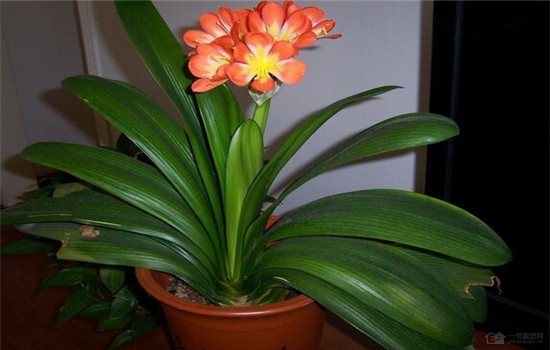
1. Cleaning up the rotten roots
Take the clivia with root rot out of the flower pot, gently remove the soil, then rinse the roots clean with water, and use scissors to cut away all the rotten roots.
2. Disinfecting the roots
Soak the cleaned roots in a 0.1% potassium permanganate solution for 5 minutes, then dip them in a little sulfur powder, wood ash or carbendazim, and dry them in a cool, shaded place (about 2 days is enough).
3. Replanting
After the clivia has dried, it can be planted in sandy soil to encourage new roots to sprout. If the root rot is not serious, it can be potted directly without planting it in sandy soil. After planting, watering must be controlled: do not water unless the soil is dry, to avoid root rot again. Just place it in a cool, ventilated spot. If the leaves have not wilted after 30 days, it has survived.
Root rot in clivia varies from case to case; sometimes the roots are only slightly rotted, while in other cases all the roots have completely rotted away (as shown in the picture below). If all the roots have rotted, there is still a chance to save it. Following the same cleaning of the rotten roots, after disinfection, insert it into plain sand to encourage sprouting; generally, after about 2 months it can still grow new roots.
What to do if a clivia has root rot? Root rot in clivia means the growing method is wrong. You should take a careful look at the correct way to grow clivia, see which part of your growing method is wrong, and then address it specifically, so that the clivia's root rot problem can be resolved and it can return to normal.