How do you grow Alocasia macrorrhizos (giant taro)? Don't overwater it just because it drips
Alocasia macrorrhizos is called "dripping" Guanyin because this plant's leaves are said to release water droplets, hanging at the leaf tips about to drip but not dripping, which is quite lovely. Therefore, many friends, in order to make Alocasia macrorrhizos show this effect, always water it too much, and as a result, they ruin the plant. So, how do you grow Alocasia macrorrhizos?
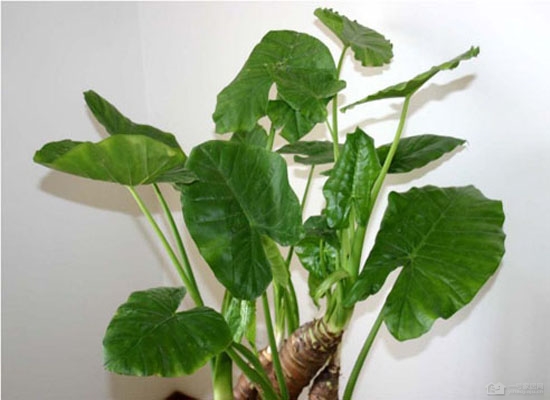
The fact that Alocasia macrorrhizos can produce water droplets is certainly related to some extent to it having enough water. However, too much water will cause root rot in Alocasia macrorrhizos, and the loss outweighs the gain.
1. The suitable growing temperature for Alocasia macrorrhizos
20-25°C is the most suitable growing temperature for Alocasia macrorrhizos. When the room temperature is below 18°C, Alocasia macrorrhizos will enter dormancy and stop growing. Alocasia macrorrhizos likes a warm, humid, semi-shaded environment. During cultivation, you must pay special attention to seasonal changes. When summer arrives, be especially careful to place Alocasia macrorrhizos in a semi-shaded, ventilated spot, and you need to spray its leaves with water many times to maintain air humidity. Avoid excessively high temperatures causing abnormalities in Alocasia macrorrhizos. Alocasia macrorrhizos is not very cold-resistant; depending on the temperature differences between north and south, in autumn and winter it needs to be moved indoors.
2. How to fertilize Alocasia macrorrhizos
The fertilization cycle for Alocasia macrorrhizos is once a month. Every 2 weeks you must give Alocasia macrorrhizos a supplementary feeding. And you need to moisten the potting soil of Alocasia macrorrhizos. Fertilization requirements: use nitrogen fertilizer mixed with phosphorus and potassium fertilizers and other thin liquid fertilizers as a supplement. When topdressing, avoid pouring the fertilizing water onto the leaf sheaths, as this will cause Alocasia macrorrhizos to rot. If you want the leaves of Alocasia macrorrhizos to be large and green, you can apply some ferrous sulfate; if you want Alocasia macrorrhizos to grow attractively, avoid a lack of fertilizer. Once a fertilizer deficiency occurs, the stem of Alocasia macrorrhizos will shrivel and become bare. If you want to grow Alocasia macrorrhizos small and attractive, when the seedling grows to the height you want, such as 40cm, by spraying the whole plant with a 2% paclobutrazol solution, in the later growth process of Alocasia macrorrhizos you will find that its growth height will not exceed 40cm. If Alocasia macrorrhizos continues to grow, you can spray the whole plant again. Generally, spraying once about every half a year can achieve the effect of controlling height.
3. Precautions for watering
In summer you can water Alocasia macrorrhizos more. People often say that the stems of the Alocasia macrorrhizos they grow rot. This is caused by waterlogging. If you give Alocasia macrorrhizos too much, this situation will occur, so when watering you must grasp the right amount. In winter Alocasia macrorrhizos will enter a long dormancy period, so in winter you should control watering and stop fertilizing.
4. The light issue for Alocasia macrorrhizos
For plants that like semi-shade, direct sunlight is the last thing they want. When Alocasia macrorrhizos enters its flowering period, you must ensure 3-5 hours of light every day. Otherwise, the flower buds will turn green and the leaf stalks will elongate, affecting the appearance.
In fact, plant growth cannot be separated from soil, water, fertilizer, light, temperature and humidity; it is just that each plant has different requirements for these basic elements. So to grow Alocasia macrorrhizos you likewise need to understand its habits and start from the above aspects.