How do you care for potted plants? These little tips make plants more lively
Potted plants create a scene of outdoor nature for us in our small personal spaces, letting us be immersed in the cultivation of nature amid a stressful life and work, and making the home more lively. But how exactly should potted plants be cared for? Next, the editor will introduce this to everyone.
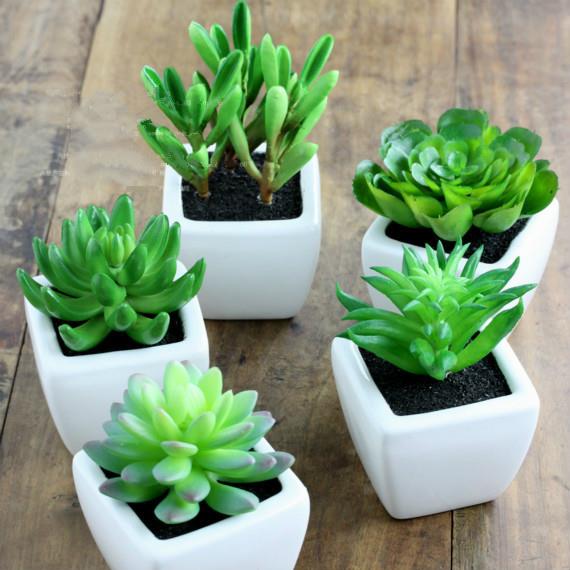
I. Typical types of potted plants
Ivy: the champion of formaldehyde absorption
Ivy is currently the most effective indoor plant for absorbing formaldehyde. The leaves of ivy per square meter can absorb 1.48 mg of formaldehyde, while the total leaf area of 2 mature ivy plants is about 0.78 sq m. At the same time, ivy can also absorb benzene, a toxic and harmful substance, and under 24-hour lighting conditions it can absorb 90% of the benzene indoors. It is estimated that for a 10 sq m room, placing just 2-3 pots of ivy is enough to purify the air, and it can also adsorb particulate dust.
Asparagus fern: eliminating bacteria
And a protective umbrella against viruses. The plant aroma contained in asparagus fern has antibacterial components, can remove bacteria and viruses from the air, and has health-care functions, so the scent released by asparagus fern has a bactericidal and bacteriostatic effect. In addition, asparagus fern also has high medicinal value. Dig out its fleshy roots, wash off the dust and dirt on them, dry them in the sun for later use or use them fresh. The leaf-like branches can be harvested as needed, and all have the effects of relieving cough, moistening the lungs, cooling the blood and detoxifying.
II. Introduction to potted plant growing methods
1. Check for pests
Check whether there are pests and eggs on the stems and undersides of the leaves. These newly moved plants should be placed separately from other potted plants for 1 month to prevent possible cross-infection. Once pests are found, they should be treated with insecticide immediately.
2. Maintain humidity
Air that is too hot and dry is bad for potted plants, and easily makes spider mites more active. To maintain the humidity of potted plants, you may take these measures: 1. Use a humidifier; 2. Place the plants in the same spot; 3. Place the plants on a tray holding water and pebbles (the water should not submerge the pebbles).
3. Repot only when it is time to repot
Unless the roots of the potted plant have filled the pot with no room to spread, there is no need to repot. It is best to choose early spring for repotting. At the same time, note that depending on the situation, you should water thoroughly once before repotting, and repot only when the potting soil is moderately dry and moist.
4. Give the plants a bath
Giving plants a "bath" (that is, rinsing the plants with a hose or showerhead) can remove many pests. Giving plants a bath in late autumn can also remove dust from the leaves. Note that the rinsing process should not be too forceful, so as not to damage the branches and leaves. At the same time, also note that the plants should not be scraped or bruised during the rinsing process.
5. Tidy the plants, but do not prune
Pruning potted plants at this time is not good for their entering dormancy. Dead branches and leaves can be removed, but it is best not to prune before late winter.
There is still a certain amount of care involved in tending potted plants, such as checking for pests and maintaining humidity. In addition, you should disturb the normal growth of the plants as little as possible, for example, repotting only when it is time to repot. But in autumn, pay attention to cleaning the plants; simply rinsing with water will remove the dust from the leaves. If you want to learn more about plant growing tips, please continue to follow No.1 Home Network.