A Detailed Guide to Snake Plant Care: Know Your Plants, Understand Your Plants, Grow Good Plants
The snake plant (Sansevieria) originates from Africa and is a perennial herbaceous flowering plant of the Asparagaceae family. It has the ability to purify the air and is easy to keep alive. Because of this, quite a lot of people love to grow it. Before growing a plant, you must first understand its nature, so what are the care methods for snake plants? Let's take a look together!
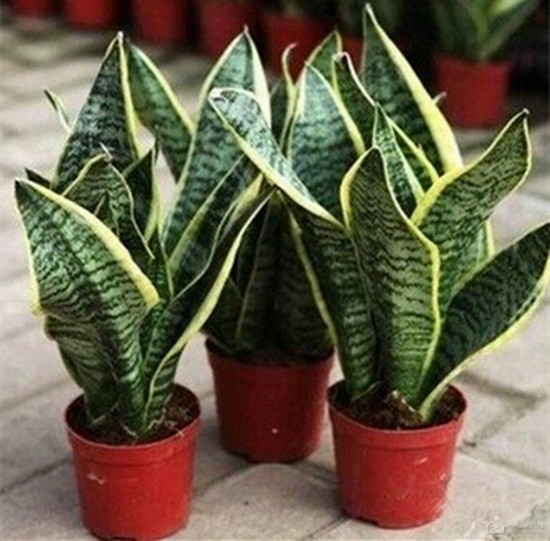
Choosing the Soil
Snake plants need loose soil with strong air permeability, so when mixing soil for snake plants, be sure to use 2/3 leaf mold plus 1/3 garden soil. Remember that the soil must be loose and breathable, otherwise water will not evaporate easily, leading to rot of the rhizome.
Sunlight Requirements
Snake plants are generally placed in shady or semi-shady spots, but they also rather like sunlight. Only when the light is too strong will the leaf color turn dark and pale.
Temperature
It likes warm temperatures. Its suitable temperature is 18-27°C, and it stops growing below 13°C. In winter, the temperature must not stay below 10°C for long, otherwise the base of the plant will rot, causing the whole plant to die.
Water Requirements
Watering should be moderate, not overly wet. The snake plant is a desert plant and can withstand harsh environments and long periods of drought. If watered too frequently, the leaves turn pale and the markings and colors also fade. From spring to autumn it grows vigorously and should be watered thoroughly. During the winter dormant period, watering should be controlled, keeping the soil dry, and water should be kept from pouring into the leaf clusters. When using plastic pots or other decorative flower pots with poor drainage, be sure to avoid water accumulation, so as to prevent rot that makes the leaves below bend over.
Pruning
Compared with other household green plants, snake plants grow relatively fast, so once the pot is full, manual pruning is needed, mainly cutting away old leaves and overly crowded areas to ensure sunlight and growing space.
Planting Method
Snake plants are root-propagating plants. Generally, you only need to plant a few stems, and after a year you can harvest a full pot. When planting, first place part of the soil at the bottom of the pot, then start planting from one side of the pot, planting evenly within the pot.
The Threat of Diseases and Pests
The common diseases of snake plants are mainly leaf spot and anthracnose, which can be treated by spraying 50% carbendazim; the common pest is damage by weevils, which can be controlled by spraying a 1000-fold dilution of 50% fenitrothion emulsifiable concentrate.
Propagation
Propagation can be done by division and cuttings. All varieties of snake plants can be propagated by division, generally combined with repotting in spring. The method is to cut overly dense leaf clusters into several clumps, each clump having not only leaves but also a section of rhizome and a sucker, and plant them separately in pots.
As the saying goes, "Know yourself and know your enemy, and you can win a hundred battles." Growing snake plants follows the same principle. If you want to grow snake plants well, start by understanding their living habits, and then care for them attentively; most likely, most people will be able to grow them well.