Is Dieffenbachia (Dumb Cane) Poisonous? Detailed Guide to Growing Dieffenbachia Precautions
Dieffenbachia can improve the home environment, absorb dust, purify the air, and give people a fresh feeling. However, many flower lovers say that Dieffenbachia is poisonous and cannot be grown at home, especially in homes with young children. So is Dieffenbachia actually poisonous? What are the precautions for growing it? Let's find out together!
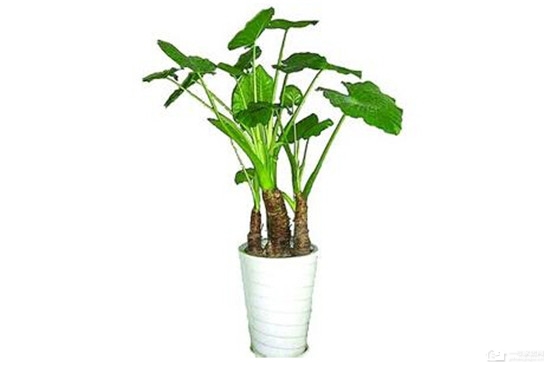
Dieffenbachia belongs to the Araceae family, and most plants in this family are toxic, such as the commonly kept Chinese evergreen (Aglaonema), Swiss cheese plant (Monstera), and pothos (Epipremnum aureum). But they can also purify the air and look attractive.
Precautions for growing Dieffenbachia --
A reminder for flower lovers: the white sap in the stems of Dieffenbachia is toxic, and the water it drips is also toxic. Accidental contact with or ingestion of its sap will cause discomfort in the throat and mouth, and a burning sensation in the stomach. Special care should be taken to prevent young children from ingesting it. However, Dieffenbachia is not a carcinogenic plant.
Experts told reporters that precisely because Dieffenbachia is poisonous, skin contact with its sap will cause itching or strong irritation, and eye contact with the sap can cause severe conjunctivitis, or even blindness. Accidentally eating its stems and leaves will cause symptoms of nausea and pain, and in severe cases can lead to suffocation and death from cardiac paralysis. Therefore, contact with Dieffenbachia should be minimized, and families with children had best not grow it.
Dieffenbachia is poisonous, so flower lovers who need to grow it at home should be cautious, especially those with children. Of course, it is not an absolute rule that it cannot be grown; as long as you pay attention, or place it somewhere not easily touched when growing it, it is also possible.