Are the sap and flowers of the Clivia miniata poisonous?
With its beautiful appearance and alluring presence, the Clivia has become one of people's favorite indoor plants. Although the Clivia is very nice, some people worry that it may be toxic, especially its sap, which would be very troublesome if it were poisonous. So, is Clivia sap poisonous?
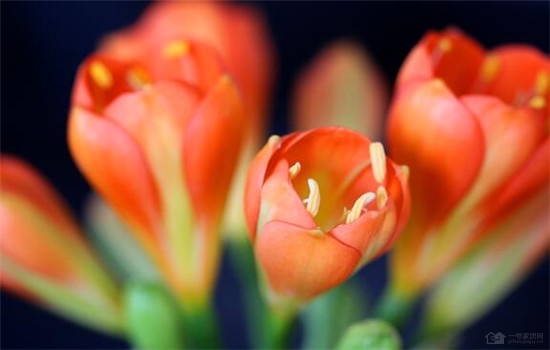
Is Clivia sap poisonous?
The Clivia is an ornamental flower of the genus Clivia in the Amaryllidaceae family. Its sap contains a substance called lycorine. Lycorine has a strong emetic effect and can be used as a substitute for ipecac. It can generally be extracted from this type of plant. Its potency is stronger than that of emetine, but weaker than apomorphine, and its toxicity is relatively low; it has an expectorant effect. After hydrogenation, lycorine produces dihydrolycorine, which has a relatively strong anti-amebic dysentery effect and lower toxicity, and has already been used clinically. The inner salt made from lycorine has shown anti-tumor effects in animals. The traditional Chinese medicines Tiesejian and Wusuan have expectorant and emetic effects, mainly because they contain lycorine. Clivia sap has a bitter taste, and consuming a small amount causes no adverse reactions.
Are Clivia flowers poisonous?
Clivia flowers are not poisonous, but people who are allergic to pollen need to be careful, as it can cause respiratory infections and so on. As long as you are not allergic to Clivia pollen, there is no problem. The Clivia plant contains lycorine in its body. Lycorine has low toxicity and can be used as an emetic for various types of poisoning.
Is Clivia sap poisonous? The Clivia is not poisonous; it has a good effect on absorbing dust and carbon dioxide. In daily life, if you want your home environment to become cleaner and the air to become fresher, you can grow Clivia.