How to winterize Alocasia macrorrhizos (giant taro): create a warm environment for it
Alocasia macrorrhizos (giant taro) is a houseplant that people grow, and with winter just around the corner, those who grow it worry that it will suffer during the winter, so they want to prepare ahead for its winter care so that it will not be affected during winter. So, how do you winterize Alocasia macrorrhizos?
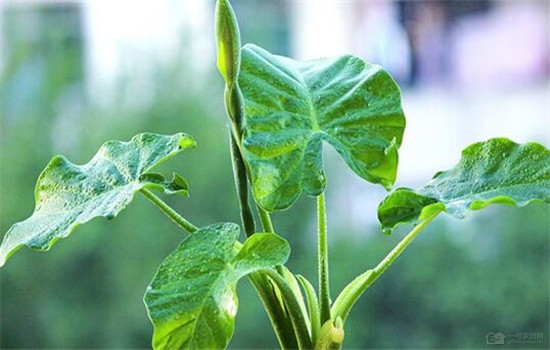
Alocasia macrorrhizos belongs to tropical plants and likes a high-temperature, high-humidity environment; the minimum temperature must not go below 5°C, otherwise frost damage will occur. Otherwise, care is basically the same as in summer: watering should be controlled, with no waterlogging. Indoors in the north where there is heating, be careful not to place it too close to the radiator, otherwise it is easily scorched. When grown in the open ground in the north, summer is fine, but overwintering in winter is very difficult; however, because the rhizome of Alocasia macrorrhizos is relatively well developed, sometimes even if the top freezes to death, the rhizome can still sprout the next year.
For potted Alocasia macrorrhizos indoors in northern regions, temperature is the most important thing. If conditions allow you to provide a stable temperature, that is the best choice for overwintering; if you cannot provide temperature, it is recommended to bury it a bit deeper in soil, and even if the leaves freeze and are damaged, ignore it, as new small shoots should still grow in early spring.
How do you winterize Alocasia macrorrhizos? Its care methods also differ from season to season. If you grow Alocasia macrorrhizos or plan to grow it, you need to first understand the specific care methods so that you can avoid making it wither or develop root rot.