What are the medicinal values of aloe? It has a wide range of uses in daily life
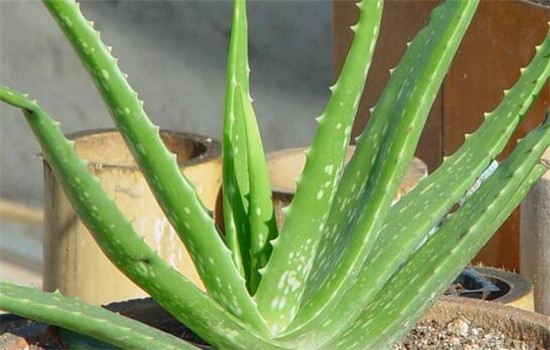
Many people keep a pot of aloe on their balcony at home. The reason aloe has become one of people's favorite indoor plants is not only that it is easy to grow, but also its medicinal value. Many people have never heard that aloe has medicinal value, so naturally they do not know what the medicinal value of aloe is.
1. Strengthening the constitution
For healthy people, taking aloe and sticking to aloe baths can not only prevent and treat various diseases, but also improve the constitution, enhance physical strength, and keep you energetic. The body fluids of a healthy person are weakly alkaline. Overwork or a stressful life can turn body fluids acidic, making it easy to contract viruses. Regular use of Aloe vera (Curacao aloe) keeps body fluids alkaline, maintaining health and preventing colds.
2. Sterilization
Aloe tincture is a substance with strong antibacterial properties. It can kill many kinds of fungi, molds, bacteria, viruses and other pathogens, and inhibit and eliminate the development and reproduction of pathogens.
3. Anti-inflammatory
The bradykininase in aloe combined with angiotensin can resist inflammation. In particular, the polysaccharides in aloe can enhance the human body's resistance to disease and cure chronic conditions such as dermatitis, chronic nephritis, cystitis, and bronchitis.
4. Moisturizing and beauty care
Aloe polysaccharides and vitamins have good nourishing, moisturizing, and whitening effects on human skin. In particular, for the acne that troubles young girls most, aloe has a very good effect on eliminating acne. Aloe-emodin and similar substances belong to anthraquinone glycosides. These substances can make hair soft and shiny, light and comfortable, and also have a dandruff-removing effect. Therefore, aloe cosmetics such as aloe beauty cream, aloe skincare cream, and aloe hair dye paste account for 80% of the European cosmetics market.
5. Stomach-strengthening and laxative
Effective components in aloe such as aloe-emodin glycoside and aloe-emodin play a role in increasing appetite and providing a mild laxative effect on the large intestine. Taking aloe can strengthen stomach function and improve the constitution. Critically ill patients who have lost their appetite due to physical weakness can also regain appetite after taking aloe. Aloe is the most effective medicine for treating constipation in ancient and modern times, in China and abroad. Even for very severe constipation, after taking aloe, bowel movements can occur within 8-12 hours. This is because the aloin component increases the secretion of large intestine fluid, increases lipase activity, and restores the function of the disordered autonomic nerves of the large intestine, and it does not cause any side effects or drug dependence.
6. Strengthening the heart and promoting blood circulation
Calcium isocitrate and other components in aloe have the effects of strengthening the heart, promoting blood circulation, softening hardened arteries, lowering cholesterol levels, and dilating capillaries, making blood circulation smooth, reducing cholesterol values, reducing the burden on the heart, keeping blood pressure normal, and removing "toxins" from the blood.
7. Promoting wound healing
Aloin A, wound hormones, and glycan peptide mannan (Ke-2) have the effects of resisting viral infection and promoting wound healing and recovery. They have the functions of reducing inflammation and sterilizing, absorbing heat and reducing swelling, softening the skin, and maintaining cell vitality. Gel polysaccharides combined with traumatic acid also have wound-healing activity. Therefore, it is an ideal medicine for treating external injuries (bleeding external injuries and non-bleeding external injuries) without leaving scars.
8. Immunity and anti-tumor
The viscous polysaccharides in aloe have the effect of improving immunity and inhibiting and destroying the growth of abnormal cells, thereby achieving an anti-cancer purpose.
9. Detoxifying effect
Aloe itself is non-toxic, harmless, and free of side effects, and does not produce antibodies. Components such as aloetin and alomicin in aloe have the effect of decomposing harmful substances in organisms, and can also eliminate toxins invading organisms from the outside. For burn-like skin ulcers caused during radiotherapy or nuclear radiation treatment of cancer, aloe treatment not only has the effects of detoxifying, reducing inflammation, and regenerating new cells, but can also increase the white blood cells reduced by radiation therapy.
10. Anti-aging effect
The mucin in aloe (mucin, which is protein) has polysaccharides such as arboran A, Baloe mannanaloetin and others as core components. Mucous substances are important components for preventing cell aging and treating chronic allergies. Mucin exists in human muscles and gastrointestinal mucosa and other places, making tissues elastic. If mucin is insufficient, muscles and mucosa will lose elasticity and become stiff and aged. If the cells that make up the human body lack mucin, the cells will gradually weaken and lose the ability to defend against pathogens and viruses. In addition, mucin also has the effects of strengthening the body and enhancing vitality.
11. Analgesic and sedative effects
When finger swelling and pain or toothache are unbearable, placing a fresh aloe leaf on the affected area can relieve the pain. For neuralgia, gout, muscle pain, and so on, taking aloe internally plus external use also has an analgesic effect. Aloe can also prevent and treat hangovers, motion sickness, seasickness, and so on.
These are the medicinal values of aloe. If needed in daily life, aloe can be used appropriately to let aloe solve discomforts in the body. In addition, aloe is edible, and it can also be used to make soup or other dishes. Those who are interested may as well give it a try.