Why are the leaves of the elephant's ear (Alocasia macrorrhizos) drying up? Scientific cultivation can prevent withering
The leaves of the elephant's ear are very emerald green, but in some people's homes, as they care for their elephant's ear, the leaves turn yellow and dry up. Once the leaves of the elephant's ear turn yellow, it affects its growth, so what are the reasons for the drying of elephant's ear leaves?
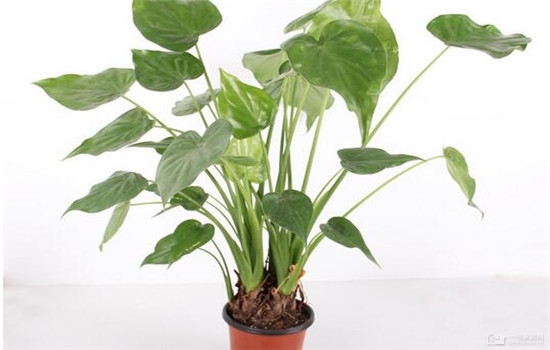
The reasons for the withering of elephant's ear leaves include:
1. Lack of elements: calcium, iron and magnesium may all be deficient; go to the flower market and buy fertilizer with mineral elements to fertilize the plant.
2. Unsuitable light: the elephant's ear likes semi-shade, and when the light becomes too intense, these spots appear. Some people originally kept the elephant's ear in a very dark place, and when the environment of that place suddenly changed and the light became very abundant, leaf withering also occurs. You can spend some time on care, avoid direct sunlight, and just place it in the living room.
3. Pests and diseases.
Commonly used care methods:
1. Temperature. The elephant's ear can only grow well in an environment no lower than 18°C. If the temperature is below 18°C, the elephant's ear goes into a dormant state and stops growing. The optimal growing temperature is between 25-33°C.
2. Fertilizing. The elephant's ear likes fertilizer; fertilize it once a month, with either granular fertilizer or liquid fertilizer.
3. Watering. The elephant's ear drips water along its leaves, and this characteristic makes many people think it must love to "drink water," but in fact, the elephant's ear is not always "thirsty"; watering once a week is enough. Watering should follow "dry then wet": do not water when it is not dry, and when you water, water thoroughly.
4. Sunlight. The elephant's ear likes semi-shade and grows lushly under scattered light. Do not let sunlight shine directly on it in summer; in winter, give it full sun for overwintering.
5. Humidity. As long as the temperature is suitable, spray clean water once every morning to increase the air humidity, which can also wash dust off the leaves and enhance their ornamental value.
6. Pest and disease control. Diseases generally include leaf spot and anthracnose, which can be controlled by spraying a 800-fold dilution of carbendazim; pests include scale insects and red spider mites. Omethoate, phosphamidon and others can be sprayed to control scale insects, and mite-killing agents such as dicofol can be sprayed to control red spider mites
When the leaves of the elephant's ear dry up, you can identify the cause accordingly and then solve it. If you do not want this kind of situation to happen to your own elephant's ear, you should take good care of it in daily life so that its leaves can stay healthy all along.